 Skip to Content
Serving All of California - Hablamos Espanol
Serving All of California 24/7
Rideshare Accident Lawyer
You were a passenger. You did everything right. You booked a ride, buckled your seatbelt, and trusted the driver. Then the crash happened. Now you’re dealing with injuries, missed work, and an insurance system specifically designed to confuse you about who owes you what. Uber and Lyft accidents follow different rules than standard car crashes in California, and the insurance companies know that most injured passengers do not.
Rideshare insurance coverage shifts depending on what the driver was doing at the moment of impact. That one fact is what insurers use to delay, reduce, and deny claims. Getting the right compensation requires knowing which policy applies, which party is liable, and how to force a corporate carrier to pay full value. That is exactly what Culver Legal does.

How Rideshare Insurance Coverage Actually Works
Uber and Lyft both carry large liability policies, but those policies do not apply at all times. California law and the companies’ own terms divide coverage into distinct phases based on the driver’s app status at the time of the crash.
Phase 0: App is off. The driver is a private individual. Only their personal auto insurance applies. Uber and Lyft have no exposure whatsoever.
Phase 1: App is on, no ride accepted. The driver is logged in and waiting for a match. Uber and Lyft provide contingent liability coverage: $50,000 per person, $100,000 per accident, and $25,000 for property damage. This only activates if the driver’s personal insurer denies the claim.
Phase 2: Ride accepted, en route to pickup. Coverage jumps significantly. Uber and Lyft both carry $1 million in third-party liability coverage during this phase.
Phase 3: Passenger in the vehicle. Full $1 million liability coverage remains active from pickup through drop-off. Uninsured and underinsured motorist coverage also applies during this phase.
This matters because insurers routinely dispute which phase applies. A driver who claims the app glitched or that a ride had not yet been accepted can shift the entire claim from a $1 million policy to a $50,000 one. Your attorney’s job is to pull the app logs, dispatch records, and GPS data to pin the phase and the liability precisely.
Who Can File a Rideshare Accident Claim in California
You do not have to be a passenger to have a claim. Rideshare accident victims include:
- Passengers injured in a collision caused by their Uber or Lyft driver
- Passengers were injured when another driver hit their rideshare vehicle
- Pedestrians struck by a rideshare driver
- Cyclists hit by a rideshare driver
- Occupants of other vehicles involved in a collision with a rideshare driver
- Drivers who were rear-ended or sideswiped by a distracted rideshare driver
Each situation involves a different combination of policies. Identifying the right target, the driver’s personal insurer, Uber or Lyft’s corporate carrier, or the at-fault third party’s insurer, is where the legal work begins.
Common Injuries in Rideshare Accidents
The National Highway Traffic Safety Administration reports that distracted driving contributed to 3,308 traffic deaths in 2022. Rideshare drivers face constant in-app distractions: navigation prompts, new ride notifications, and rating screens all compete for attention during active trips. The injuries that result are the same as those of any serious motor vehicle collision.
Passengers seated in the rear often sustain the worst injuries in rear-end and side-impact collisions. Common injuries include:
- Traumatic brain injuries and concussions
- Cervical and lumbar spine damage
- Fractured ribs, arms, and legs
- Internal organ injuries from seatbelt force
- Soft tissue injuries to the neck and back
- Lacerations and facial injuries from airbag deployment
- Psychological trauma and post-traumatic stress
Many rideshare passengers do not wear seatbelts because they are in an unfamiliar vehicle and the trip is short. That decision can dramatically worsen outcomes in a crash, and insurers will try to use it against your claim. California’s pure comparative fault rules still allow you to recover even if you were not belted. Fault percentage reduces recovery, but it does not end it.
What to Do After a Rideshare Accident
- Get medical attention immediately. Go to the emergency room or urgent care the same day, even if you feel functional. Delayed-onset injuries, particularly cervical spine and TBI symptoms, present hours or days after impact. A gap in treatment gives insurers grounds to deny causation.
- Do not leave the scene without documenting it. Photograph the vehicles, the intersection, road conditions, your injuries, and every vehicle involved. Screenshot your Uber or Lyft app to capture the trip record before you close it.
- Get the driver’s information. Name, license number, vehicle make and model, insurance card. The app should also preserve the driver’s profile and trip data; do not delete the app.
- Collect witness contact information. Bystanders and other drivers saw what happened before you could process it. Their accounts matter.
- Report the accident through the rideshare app. Both Uber and Lyft have in-app accident reporting. Use it, but do not give a detailed recorded statement through it.
- File a police report. Request a copy of the report number at the scene and obtain the full report once it is available.
- Contact a rideshare accident attorney before speaking to any insurer. Multiple carriers will contact you quickly. None of them represent your interests.
Expert Legal Tip from the Attorneys at Culver Legal: Screenshot your Uber or Lyft app immediately after the crash before you close it. The app displays the trip ID, driver name, vehicle, and route — data that Uber and Lyft can purge from their systems within days. That screenshot is often the single most important piece of evidence in establishing which coverage phase was active at the moment of impact.
What Not to Do
The steps you skip matter as much as the steps you take. Insurance adjusters move fast after rideshare accidents precisely because the early days are when they gather the evidence they need to minimize your claim.
- Do not give a recorded statement to any insurer. This includes Uber and Lyft’s claims teams. Everything you say will be used to reduce what they owe you.
- Do not accept an early settlement offer. Initial offers are designed to close your claim before the full extent of your injuries is known. Once you sign a release, you cannot go back for more, even if you require surgery six months later.
- Do not post about the accident on social media. Adjusters search claimants’ accounts. A photo of you at a family event after your injury date will be used as evidence against you.
- Do not delay seeking treatment. Every gap in your medical records is an opportunity for an insurer to argue your injuries are not that serious or were caused by something else.
- Do not assume Uber or Lyft’s portal will handle your claim fairly. These platforms are designed to process claims efficiently for the company, not to maximize your recovery.
Why Rideshare Cases Are Legally Complex
Rideshare accident claims involve layers of legal and logistical challenges that standard auto cases do not.
- Layered insurance tiers: Three distinct coverage phases mean three different liability scenarios. Insurers actively contest which phase applies to reduce their exposure.
- Disputed app status: Drivers can claim the app glitched or that a ride had not been accepted, shifting a $1 million claim down to a $50,000 one. Proving app status requires subpoenaing dispatch records and GPS logs.
- Independent contractor deflection: Uber and Lyft’s claims teams push injured parties toward the driver’s personal insurer, which often excludes rideshare activity entirely.
- Multiple liable parties: The driver, the rideshare corporate carrier, and a third-party at-fault driver may all be involved, each with separate legal teams and separate coverage disputes.
- App data purge windows: Trip records, GPS logs, and dispatch data are not preserved indefinitely. Early legal intervention is critical to preserving the evidence that establishes liability and coverage.
Uber and Lyft Are Not Your Advocates
Both Uber and Lyft classify their drivers as independent contractors, not employees. That classification is not an accident. It is a legal strategy specifically designed to limit the companies’ direct liability for driver behavior. California courts and the legislature have contested this classification repeatedly, but it remains the default position in most accident claims.
What this means for your case: when you are injured in a rideshare vehicle, you are typically pursuing a claim against the driver’s insurance first, with Uber or Lyft’s $1 million policy as the backstop. But the companies’ claims teams do not operate that way in practice. They probe for reasons the $1 million policy does not apply. They look for evidence that the driver was acting outside the scope of the ride. They dispute injury severity. They delay responses to run out your statute of limitations.
Having an attorney who has handled rideshare claims specifically, not just general auto cases, is the difference between a denied claim and a settlement that reflects your actual losses. Our attorneys have reviewed rideshare accident cases across California and know how Uber’s and Lyft’s claims teams operate at every stage.

Insurance Company Tactics in Rideshare Cases
Rideshare accident insurance claims involve more parties than a standard collision, and more parties mean more opportunities for each insurer to point at someone else.
Coverage phase disputes. The most common tactic. Insurers contest whether the driver was in Phase 1, 2, or 3 at the moment of impact. Even a few seconds of ambiguity can shift which policy applies. Your attorney needs to subpoena the app logs and GPS records to establish the phase conclusively.
Independent contractor deflection. Uber and Lyft’s claims teams will push you toward the driver’s personal insurer first, even when their corporate policy clearly applies. Personal auto policies often exclude rideshare activity. This maneuver leaves claimants caught between two carriers, neither of whom wants to pay.
Early lowball offers. Adjusters contact accident victims within days. Their offer reflects the minimum they believe you will accept without legal representation, not the value of your claim. Always have an attorney review any offer before you respond.
Recorded statement requests. An adjuster calling to “get your side of the story” is gathering evidence. Never give a recorded statement to any party’s insurer without your attorney present.
Social media monitoring. Claims teams search claimants’ public profiles. A single photo or post can undermine months of treatment records.
Delay as a tactic. The longer a claim sits, the more likely a claimant is to accept a lower offer out of financial pressure. Insurers know this. Your attorney’s job is to apply pressure in the other direction.
Uninsured and Underinsured Motorist Coverage in Rideshare Accidents
California Insurance Code requires insurers to offer uninsured motorist (UM) and underinsured motorist (UIM) coverage on every auto policy sold in the state. During Phases 2 and 3 of a rideshare trip, Uber and Lyft’s $1 million policy includes UM and UIM protection for passengers.
This matters in several scenarios:
- A hit-and-run driver collides with your Uber or Lyft and flees
- The at-fault driver has no insurance or only minimum California coverage ($15,000 per person)
- Your injuries exceed the at-fault driver’s policy limits
Even claims filed against the rideshare company’s own UM carrier can be disputed. Uber and Lyft’s carriers may contest the extent of your injuries, argue pre-existing conditions, or delay processing to pressure you into a reduced settlement. An attorney who understands how UM claims work within rideshare policies is essential when third-party coverage falls short.
What Compensation Can You Recover
California personal injury law allows injured rideshare passengers and third parties to pursue the full range of economic and non-economic damages:
- Emergency room and hospital bills
- Ongoing medical treatment, physical therapy, and specialist care
- Future medical costs if injuries require long-term management
- Lost income from missed work during recovery
- Reduced earning capacity if injuries affect your ability to work long-term
- Pain and suffering
- Emotional distress
- Loss of enjoyment of life
- Property damage to personal belongings
In cases involving egregious driver conduct, extreme intoxication, street racing, or deliberate misconduct, punitive damages may also be available. These are rare in standard accident claims but worth evaluating when the facts support them.
California Laws That Apply to Your Rideshare Claim
Under California Code of Civil Procedure Section 335.1, you have two years from the date of injury to file a personal injury lawsuit. Do not treat that deadline as flexible. Evidence degrades, witnesses move, and app records are purged. Filing early is almost always better than waiting.
If your rideshare accident involved a government vehicle or occurred on government-maintained property, a separate deadline applies. Claims against public entities in California require an administrative claim filed within six months of the incident. Missing this window ends your case entirely.
California’s pure comparative fault system means your own fault percentage reduces, but does not eliminate your recovery. If your case is worth $1,000,000 and you are found 25% at fault, you still recover $750,000. You can file a claim even if you are 99% at fault. Insurers use comparative fault arguments to reduce offers; do not let them use an inflated fault percentage to undervalue your case.
California Assembly Bill 5 and subsequent legislation have created ongoing legal tension around rideshare driver classification. While Proposition 22 (2020) preserved independent contractor status for rideshare drivers in most circumstances, the legal landscape around gig worker liability continues to evolve. Your attorney monitors these developments because driver classification affects which insurance policy applies and what corporate liability theory is available.
For current California traffic safety data relevant to rideshare accident research, the California Office of Traffic Safety publishes annual collision statistics by vehicle type, location, and cause.
Addressing Common Concerns Before You Call
What if I am undocumented?
California law expressly prohibits using immigration status in personal injury cases. Your status does not affect your right to file a claim, to recover damages, or to retain an attorney. This protection is enforced by California courts. You do not need to disclose your status to pursue your case.
What if I was partially at fault?
California is a pure comparative fault state. A partial fault reduces your recovery; it does not end it. If your case is worth $500,000 and you are found 20% at fault for not wearing a seatbelt, you recover $400,000. Do not let an adjuster use fault arguments as a reason not to pursue your claim.
What if I were working when the accident happened?
If you were a delivery driver, worker, or were traveling for work purposes when the rideshare accident occurred, workers’ compensation and a civil personal injury lawsuit may both apply. These are separate legal tracks with separate remedies. Pursuing one does not prevent you from pursuing the other.
Questions to Ask Before Hiring a Rideshare Accident Lawyer
Have you handled rideshare-specific cases involving insurance phase disputes?
Rideshare claims are not standard auto cases. Coverage phase disputes, independent contractor classifications, and app data subpoenas require experience specific to this case type. Ask for examples of prior rideshare cases, not just general auto accident results.
How do you determine which insurance policy applies to my case?
A qualified attorney will explain the Phase 0 through Phase 3 coverage structure and describe how they gather app logs, GPS data, and dispatch records to establish which policy was active at the time of your crash.
What are your fees, and when do I pay?
Personal injury attorneys work on contingency. You pay nothing unless your case resolves. Ask what percentage is taken at settlement versus at trial; these sometimes differ. Ask about litigation costs and whether those come out of the settlement or are charged separately.
Who specifically will be handling my case?
Some firms hand off cases to junior associates or paralegals after intake. Ask which attorney will be your point of contact and who will appear at any hearings or depositions on your behalf.
What is a realistic timeline for my case?
Rideshare claims involving corporate carriers often take longer than standard auto cases because of the coverage phase dispute process and Uber and Lyft’s claims team procedures. A credible attorney will give you a range, not a guarantee, and will explain what factors could extend or accelerate resolution.
Why Culver Legal Handles Rideshare Cases Differently
Culver Legal has recovered over $1 billion for injured clients across California. Our rideshare results include settlements drawn from a portfolio that includes a $2.25 million motorcycle accident recovery, a $3 million truck accident, and a $4 million auto accident settlement. These numbers reflect what happens when attorneys push cases to their full value instead of accepting early offers designed to close files.
Our attorneys, Thanos Simoudis, David Merabi, Dario C. Gomez, Victoria Manesh, Michael Domingo, and Michael B. Huynh, handle rideshare cases involving all carriers: Uber, Lyft, Waymo, and emerging platforms. We are bilingual in English and Spanish. We are available 24 hours a day. We take every case on contingency: no fees unless we win. Your free case evaluation starts when you call.
We serve clients injured in rideshare accidents across Los Angeles, Long Beach, Riverside, San Diego, San Francisco, Bakersfield, Fresno, Gardena, Huntington Park, Culver City, Santa Monica, Inglewood, and throughout California.
How We Build Your Rideshare Accident Case
- Free case evaluation. We review your trip records, injury timeline, and available coverage to assess full claim value from day one.
- Evidence collection. We subpoena app logs, GPS data, driver qualification files, and dispatch records before they are purged. We also preserve dashcam footage, police reports, and witness statements.
- Damage documentation. We work with your medical providers and, where needed, economic experts to document every current and future cost your injuries create.
- Insurance negotiations. We engage all carriers simultaneously — the driver’s personal insurer, Uber or Lyft’s corporate carrier, and any third-party insurer — and apply pressure to force fair offers.
- Litigation and trial preparation. If carriers refuse to pay full value, we file and prepare your case for trial. Rideshare carriers settle more fairly when they know your attorney will not back down.
What to Bring to Your First Consultation
You do not need to have everything organized before you call. If you have any of the following, bring it:
- Screenshot of your Uber or Lyft trip from the app
- Medical records or bills related to your injuries
- Photos or videos of the accident scene and your injuries
- Police report or report number
- Driver’s name, vehicle, and insurance information
- Proof of lost income if you missed work
Even without these, Culver Legal can help gather records and preserve evidence. The most important step is calling early before app data is purged and insurance carriers lock in their positions.
What to Look for When Hiring a Rideshare Accident Lawyer
Case-type experience
Has the attorney handled rideshare-specific cases involving coverage phase disputes and app data subpoenas? General auto accident experience is not enough. Ask for rideshare-specific results.
Trial readiness
Does the firm take cases to trial or settle everything early? Rideshare carriers offer better settlements when they know your attorney will litigate. Culver Legal prepares every case as if it will go to trial.
Local court familiarity
Does the attorney know Los Angeles and California courts? Local knowledge of judges, procedures, and carrier behavior matters in rideshare claims involving California-specific laws like AB 5 and Proposition 22.
Communication and accessibility
Will you have direct access to your attorney? Culver Legal is available 24/7, bilingual in English and Spanish, and handles every client with a named attorney on the case.
Fee structure
Does the firm work on contingency? Culver Legal charges no fees unless we win. Ask any firm you consider what percentage they take at settlement versus at trial, and whether litigation costs are deducted from your recovery.
Evidence Checklist: What You Need to Support Your Rideshare Accident Claim
- Screenshot of the Uber or Lyft trip showing driver, route, and trip ID
- Police report or report number from the scene
- Photos and video of vehicle damage, the intersection, and your injuries
- Medical records and bills from every provider you have seen
- Witness names and contact information
- Dashcam footage from any vehicle involved
- Proof of lost wages or income during recovery
- Any communications from Uber, Lyft, or their insurance carriers

Frequently Asked Questions: Rideshare Accident Claims in California
Can I sue Uber or Lyft directly after a rideshare accident?
Direct lawsuits against Uber or Lyft as employers are difficult because California’s Proposition 22 classified rideshare drivers as independent contractors. However, their $1 million liability policy applies during active trips and is enforceable. Your attorney pursues the corporate coverage through the insurance claim process, and in some circumstances, litigation may be appropriate to force payment of fair value.
What if the Uber driver was at fault but only had Phase 1 coverage active?
Phase 1 coverage (app on, no ride accepted) carries $50,000 per person. If your injuries exceed that limit, your own uninsured motorist coverage and any other applicable policies come into play. An attorney can identify all available coverage sources across every policy that touches your claim.
How long do I have to file a rideshare accident lawsuit in California?
Under California Code of Civil Procedure Section 335.1, you have two years from the date of injury. If a government vehicle was involved in the accident or the accident occurred on government property, you have six months to file an administrative claim. Missing these deadlines ends your case. Do not wait to consult an attorney.
Do Lyft or Uber cover passengers injured by a third-party driver?
Yes. During Phases 2 and 3, Uber and Lyft carry uninsured and underinsured motorist coverage that protects passengers when the at-fault driver lacks adequate insurance. If a hit-and-run driver struck your rideshare vehicle, UM coverage may apply.
Do I need a lawyer if Uber’s insurance has already contacted me?
Yes. The adjuster contacting you works for the carrier’s interest, not yours. Their first offer reflects the minimum they believe you will accept without legal advice. An attorney evaluates the full value of your claim against all available policies before any offer is accepted or any statement is given.
What happens if my rideshare driver was also injured in the crash?
Driver injuries and passenger injuries involve different legal tracks. As a passenger, your claim is against the at-fault driver and the applicable rideshare policy. The driver’s own injury claim is handled separately. Your interests and the driver’s interests may not align, which is another reason to retain separate legal representation.
Can I still file a claim if I did not report the accident to Uber or Lyft through the app?
Yes. You have the right to pursue a legal claim regardless of whether you used the in-app reporting system. However, in-app reports can create a contemporaneous record that supports your case. An attorney can help you preserve the evidence you have and work around any gaps in the official reports.
Culver Legal, LLP
5670 Wilshire Blvd., Suite 1370
Los Angeles, CA 90036
(310) 600-7881
If you were injured in a rideshare accident in California, do not let insurance carriers set the terms. Culver Legal fights for maximum compensation on contingency, no fees unless we win. Get Your Free Case Evaluation today.
This content has been reviewed by the attorneys at Culver Legal, LLP, licensed to practice law in the State of California.
Attorney advertising. Prior results do not guarantee a similar outcome. This page is for informational purposes only and does not constitute legal advice or create an attorney-client relationship.
Learn more about your options for compensation by calling 310-600-7881 .
Trusted by Thousands. Millions Recovered For Our Clients
YOU Deserve the Best
Free Case Review 24/7 You Don’t Pay unless we win
CALL 310-600-7881
"*" indicates required fields
Featured Lawyers
-
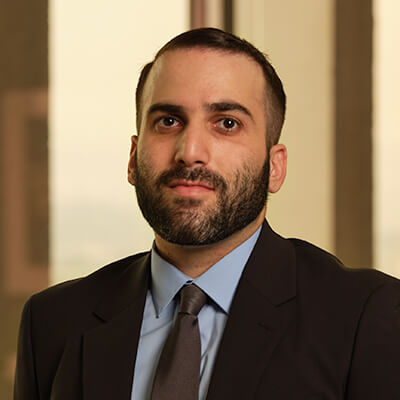
David Merabi
-

Thanos Simoudis
-

Victoria Manesh
-

Michael B. Huynh
-

Michael Domingo
-
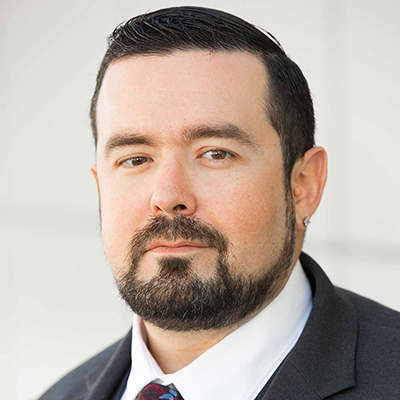
Darío C. Gómez
