Get to safety and get medical care first, then call the police before you do anything else. From there, the order that protects you is: the driver’s information, photos of the scene, witnesses and nearby cameras, follow-up care for anything that shows up later, and caution before talking to the other driver’s insurance company.
What Should You Do Immediately After Being Hit by a Car as a Pedestrian?
Get out of the road if you are able to move safely on your own, then get medical attention right away, even if nothing feels obviously broken. Call 911 so both police and paramedics come to the scene rather than trying to sort things out between yourself and the driver. Let paramedics check you over on site instead of waving them off, since the adrenaline that follows being hit by a car can mask pain, swelling, and the early signs of a head injury for an hour or more.
If you are not taken away by ambulance, go to an emergency room or urgent care the same day, and tell them clearly that you were a pedestrian hit by a car so that detail is in the record. A same-day exam ties your injuries to the moment of the crash in a way that matters far more later than it seems like it should while you are still standing at the scene trying to process what just happened.
Should I Call the Police If I’m Hit by a Car While Walking, Even If It Seems Minor?
Yes, call the police after any pedestrian accident, even one that looks minor, because the responding officer’s report is often the first independent account of how the crash happened. Ask for the report number before the officer leaves the scene, and ask how and when you can request a copy, since most departments do not hand it over on the spot.
If the driver takes off before police arrive, call it in as a hit and run and give the dispatcher whatever you managed to see, a partial plate, the color and type of vehicle, or the direction it drove off in. Police can still open an investigation without the driver present. Report it the same day, not days later: when the driver is never identified, a claim under your own insurance policy can depend on the accident having been reported within 24 hours to the police department of the city where it happened, or to the sheriff of the county or the California Highway Patrol if it happened outside city limits.
What Information Should I Get From the Driver Who Hit Me?
Get the driver’s full name, phone number, driver’s license number, license plate number, and insurance company and policy number before anyone leaves the scene. Photograph their license and insurance card directly if they are willing, since a name or number copied down quickly is easy to get wrong. The driver has to give you their name and current residence address, the vehicle’s registration number, and the name and current residence address of the owner, and has to show you their driver’s license if you ask for it. If they refuse to give you insurance information, that is one more reason to wait for police instead of letting them leave, because a driver involved in the accident has to furnish written evidence of insurance to the officer summoned to the scene.
If the driver is not the registered owner of the car, ask for the owner’s information as well. There is no need to discuss who was at fault while you are both standing in the road. Stick to exchanging information and let the police report and the evidence you collect speak for the rest of it.
What Should I Photograph After Being Hit by a Car as a Pedestrian?
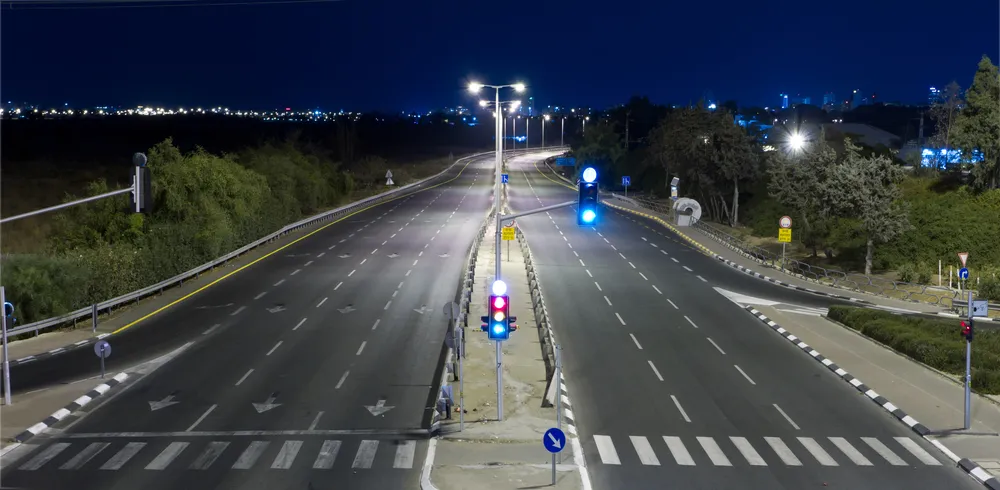
Photograph the crosswalk markings, the traffic signal, any skid marks or debris, and the lighting conditions before any of it changes or gets cleaned up. Take photos from several angles and distances, including a few wide shots that show where the vehicle and the crosswalk sit in relation to each other, not just close-up shots of damage.
Photograph your visible injuries and any torn or bloodied clothing as well, since those fade and get thrown away faster than most people expect. Exactly what this kind of evidence proves in a pedestrian accident claim is a bigger subject on its own. For right now, in the first hours, the job is simply to capture it before it disappears.
How Do I Find Witnesses and Camera Footage After a Pedestrian Accident?
Ask anyone who saw the crash for their name and phone number before they walk away, since an independent witness matters most when your account of the pedestrian accident and the driver’s account do not match. Look around for businesses, homes, and traffic signals nearby that might have a camera facing the crosswalk or the road where you were hit.
Security and doorbell footage is often overwritten or deleted within days or a couple of weeks, so the sooner someone asks a business or homeowner for it, the better the odds it still exists. Write down the addresses of anywhere a camera might have caught the crash while you still remember exactly where you and the vehicle were standing.
Do I Need to See a Doctor If I Don’t Feel Hurt After Being Hit as a Pedestrian?
Yes, see a doctor within a day or two even if you feel fine, because some of the most serious injuries from being hit by a car, concussions, internal bleeding, and soft tissue damage, do not announce themselves right away. Watch for headache, dizziness, confusion, numbness, or pain and swelling that gets worse instead of better over the following days.
If any of that shows up, get it looked at and tell the doctor plainly that it followed a pedestrian accident, then keep whatever records come out of that visit. A gap between the crash and the first time a symptom gets documented is exactly the kind of thing that raises questions later, and a follow-up visit closes that gap.
Already told the other driver’s insurance you were fine?
Telling an adjuster you were fine is not the same as closing your claim, and a symptom that shows up days later is still worth having looked at.
Do I Have to Give a Recorded Statement to the Other Driver’s Insurance Company?
No, you are not required to give a recorded statement to the other driver’s insurance company, and it is reasonable to decline or to wait until you have talked to someone about it first. Your own insurance company is different: if the driver who hit you is never identified, keeping a claim under your own policy can require filing with your insurer, within 30 days, a statement under oath that you have a cause of action against a person whose identity is unascertainable, so do not treat a call from your own company the same way. Adjusters for the other driver often call within days of a pedestrian accident, sometimes before you have even finished seeing a doctor.
Their job is to resolve the claim in their company’s favor, not yours, and a recorded statement given early, before you know the full extent of what happened to you, is hard to walk back later. Giving your name and the basic facts of what happened is not the same as agreeing to a recorded, detailed interview, and write down who called and when if it happens.
Frequently Asked Questions
What happens if the driver who hit me leaves the scene instead of stopping?
Call the police and report it as a hit and run pedestrian accident, even without the driver there, and give them anything you managed to see, a partial plate, the vehicle’s color and type, or which way it went. Police can still investigate from that. Witnesses and nearby camera footage become even more important when the driver is not around to give their own account, so try to collect those too before they disappear.
Is it still worth calling the police if the accident felt minor?
Yes. Pedestrian injuries often turn out to be worse than they felt in the first few minutes, and a police report is difficult to get after the fact if you skip it at the scene. Ask for the report number before the officer leaves and ask how to get a copy.
How soon should I see a doctor if I don’t feel hurt right after being hit?
Within a day or two, even without obvious pain, since shock and adrenaline can hide the early signs of a concussion or internal injury. Watch for headache, dizziness, confusion, numbness, or pain that gets worse rather than better over the next several days, and get checked out if any of that shows up.
Do I have to talk to the other driver’s insurance company right away?
No. You can decline a recorded statement or wait until you have talked to someone about it, even if their adjuster calls quickly. Their questions are built to serve their side of the claim, not yours, and giving your name and the basic facts of the crash is different from agreeing to a full recorded interview.
Talking with someone soon after a pedestrian accident, while the evidence is still there to gather and the details are still fresh, can help you avoid mistakes that are hard to undo later. There is no fee unless we win, so finding out where you stand does not cost you anything upfront. If there is no recovery, no case costs are charged either. Call 310-600-7881 for a free case review, or send us the details and we will call you back.