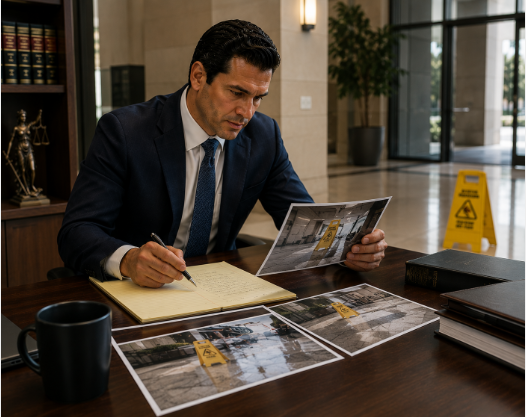
Hiring Culver Legal for a car accident case costs nothing upfront. We work on a contingency basis: no fee unless we win, and if there is no recovery, no case costs are charged either.
What is a contingency fee, and what is it not?
A contingency fee is a fee the lawyer is paid only if the case produces a recovery. The amount is tied to that result, not to the hours the lawyer spends on the file. Confirm that basic point in writing before any work starts.
The fee is not set by law for this kind of claim, so it is negotiable between the lawyer and the client. The signed agreement is where those terms are recorded. Do not rely on a friend’s case or a website, because the agreement is the document that controls.
A contingency fee is also separate from case costs. Case costs are a different charge, and the agreement has to say how they affect the fee and the recovery. This page is general information, not legal advice.
What must the signed fee agreement say in California?
For a contingency fee, California requires the agreement to be in writing and signed by both the attorney and the client. The client must also receive a duplicate signed copy when the agreement is entered into. These rules come from Business and Professions Code 6147. The professional conduct rules contain no separate writing requirement for contingency fees, but they do bar fees that are unconscionable or illegal.
The agreement must state the contingency rate, how costs and disbursements affect the fee and the recovery, and whether the client may owe the attorney for related matters outside the contract. It must also say that the fee is not set by law and is negotiable. A separate statement that the rates are maximums applies only when the claim is subject to Section 6146, which covers actions against a health care provider for professional negligence. A car accident claim against someone other than a provider falls outside that section.
If the agreement does not meet any of these requirements, including the writing, both signatures, and the duplicate signed copy, it is voidable at the client’s option, which is not the same as void. The attorney is still entitled to a reasonable fee in that case. Workers’ compensation contingency contracts are excluded from these rules.
The fee and the case costs are two different charges
The attorney’s fee is what the lawyer earns under the fee agreement. Case costs and disbursements are the expenses paid to move the case forward. The two are easy to confuse, and they are not interchangeable.
The required statement is about how costs and disbursements affect the fee and the recovery, so that is the part to press on. Ask the firm to walk through how a hypothetical case would flow from the gross recovery to the fee and the costs. Check that the explanation matches the written agreement.
Costs also matter when a case ends without a recovery, so ask what the agreement says about that situation before you sign.
What comes out of a settlement, and in what order?
A settlement can be divided among the attorney’s fee, case costs, and any lien claims, and the sequence changes what is left for the client. Confirm that order with the firm and check it against the signed agreement.
Ask whether liens are paid before or after the fee and costs. A different order can change what is left for you.
Ask for a written breakdown of each deduction at the end of the case, with every item named. Compare that breakdown to the agreement before you accept the settlement, and ask about any item that does not appear in the agreement.
Medical bills and liens can be paid from your settlement
A hospital, a health plan, an insurer, or a doctor who treated you may claim part of your settlement through a lien. Some of these claims are limited by law, and some come from papers you signed during treatment, such as a lien or assignment at a doctor’s or chiropractor’s office.
Before you accept any settlement, ask the firm to list every lien claimed against your recovery, who holds it, and what each one claims. Keep copies of anything you signed with a provider and bring them to the first meeting.
Worried about medical bills coming out of your settlement?
Ask us to list every lien claimed against your case and how each one affects what you receive. No fee unless we win.
If there is no recovery: what does the no-win, no-costs term cover?
Our term is that we charge no fee unless we win, and if there is no recovery, we charge no case costs either. The statute requires the signed agreement to state how costs and disbursements affect the fee and the recovery. Checking the no-recovery part against that requirement means reading the agreement itself, not relying on a summary.
The agreement should say, in words, that case costs are not charged when there is no recovery. Ask to see that sentence in the signed agreement. A promise made only in conversation does not meet the writing rule, because a contingency fee contract must be in writing and signed.
If the case ends without a recovery, ask what the agreement says about any costs already advanced, and get that answer in writing before you sign. That term covers our own case costs. It does not cover costs a court can order a losing side to pay the other side if a case goes to trial and is lost, so ask the firm what that exposure could be in your case. This page does not promise any result.
Questions to ask at the first meeting
Bring these questions to the first meeting and ask for written answers. Ask whether the fee agreement will be in writing and signed by both you and the attorney. Ask whether you will receive a duplicate signed copy when you sign it.
Ask what in the fee is negotiable and what the agreement says about it. Ask how case costs and disbursements affect the fee and the recovery, and whether you could owe the attorney for any related matter outside this contract.
Ask in what order the fee, costs, and any liens are paid from a settlement, and whether a hospital or medical provider has claimed a lien on your case. Ask what the no-recovery term means for case costs in your situation. Do not sign until those answers are in writing.
Frequently Asked Questions
How does a contingency fee work for a car accident lawyer in California? The fee depends on the result, and the lawyer is paid only if the case produces a recovery. For a car accident claim against someone other than a health care provider, the fee is not set by law and is negotiable. Ask for the terms in writing before any work begins.
Is a written fee agreement required for a personal injury case in California? For a contingency fee, yes. Business and Professions Code 6147 requires the agreement to be in writing and signed by the attorney and the client, with a duplicate signed copy given to the client when it is entered into. Workers’ compensation contingency contracts are excluded from that rule.
What is the difference between attorney fees and case costs? The attorney fee is what the lawyer earns under the fee agreement. Case costs and disbursements are the expenses of the case, and the signed agreement must explain how they affect both the fee and the recovery. Ask for that explanation in plain terms before you sign.
Who gets paid first from a car accident settlement? The order in which the fee, case costs, and any liens are paid is something to settle with the firm, and it changes what is left for you. Get the payout order from the firm in writing and check it against your signed agreement.
Do I pay case costs if I lose my car accident case? Under our term, we charge none of our own case costs if there is no recovery. That does not cover costs a court can order a losing side to pay the other side after a trial, so ask the firm what that exposure could be. Check that the signed agreement says so in writing, because the law requires it to state how costs affect the fee and the recovery. This page does not promise any result.
If you speak with a lawyer about your case, ask for the contingency terms in writing: no fee unless we win, and if there is no recovery, no case costs are charged. Check that wording against the signed agreement before you rely on it, because the agreement is what controls. Call 310-600-7881 for a free case review, or send us the details and we will call you back.