 Skip to Content
Serving All of California - Hablamos Espanol
Serving All of California 24/7
Fresno Employment Lawyers
Fresno, California, is a vibrant economic hub with a diverse employment landscape. From the expansive agricultural fields that define much of the Central Valley to burgeoning healthcare facilities, manufacturing plants, and a robust service sector, the city offers a wide array of job opportunities. However, with this diversity comes a unique set of workplace challenges. Employees in Fresno often navigate issues ranging from wage disputes and discrimination to wrongful termination and unsafe working conditions. Understanding your rights in this complex environment is not just beneficial; it’s essential for your financial stability and peace of mind.
California employment laws are among the most comprehensive and protective in the nation, designed to safeguard workers from unfair labor practices. When these laws are violated, the consequences for employees can be severe, leading to significant financial harm, emotional distress, and lost career opportunities. Whether you’re facing discrimination, harassment, or have been unfairly dismissed, you don’t have to confront these challenges alone.
If you are an employee in Fresno experiencing workplace issues, contact Culver Legal today for a free, confidential consultation with our experienced Fresno employment lawyers. We are dedicated to protecting your rights and ensuring you receive the justice you deserve. Call us at (310) 600-7881 to discuss your situation. Culver Legal offers representation on a contingency or hourly basis, with no upfront fees in many cases, making quality legal representation accessible when you need it most.
Overview of California Employment Law Protections
 California stands out as a state with robust legal protections for employees, often exceeding federal standards. These laws are designed to create a fair and equitable working environment for everyone, regardless of their position or industry. Understanding the foundational principles of California employment law is crucial for any worker in Fresno. Our Fresno employment lawyers are well-versed in these intricate regulations and can help you navigate them.
At-Will Employment and Exceptions
A cornerstone of employment law in most U.S. states, including California, is the concept of “at-will employment.” This means that, in the absence of a contract specifying otherwise, an employer can terminate an employee for any reason, or no reason at all, as long as it’s not an illegal reason. Similarly, an employee can leave their job at any time without notice. However, this “at-will” doctrine is not absolute. There are significant exceptions that protect employees from arbitrary or discriminatory firing, including:
- Public Policy Exception: An employer cannot fire an employee for reasons that violate fundamental public policy. This includes refusing to commit an illegal act, reporting a violation of law (whistleblowing), or exercising a legal right (like filing a workers’ compensation claim).
- Implied Contract Exception: While less common, an implied contract of employment can arise from an employer’s statements, handbooks, or consistent practices that suggest a job is not strictly at-will. For example, if an employee handbook outlines a specific disciplinary process that must be followed before termination, it might create an implied contract.
- Anti-Discrimination Laws: Employers cannot terminate an employee based on protected characteristics, which leads us to the next point.
Anti-Discrimination Laws (FEHA, Title VII)
Both state and federal laws prohibit discrimination in employment based on various protected characteristics. In California, the primary law is the Fair Employment and Housing Act (FEHA). Federally, Title VII of the Civil Rights Act of 1964 also offers protections. These laws make it illegal for employers to discriminate against employees or job applicants in hiring, firing, promotion, compensation, job assignments, or any other terms or conditions of employment based on:
- Race, color, national origin, ancestry
- Religion, creed
- Sex (including pregnancy, childbirth, breastfeeding, and related medical conditions)
- Gender, gender identity, gender expression
- Sexual orientation
- Marital status
- Medical condition (cancer or genetic characteristics)
- Genetic information
- Disability (physical or mental)
- Age (40 and over)
- Military and veteran status
- Political affiliation (in some contexts)
- Status as a victim of domestic violence, assault, or stalking
If you believe you’ve been subjected to workplace discrimination, a California workplace discrimination attorney can evaluate your case and help you understand your options.
Wage and Hour Laws (Minimum Wage, Overtime)
California has some of the most stringent wage and hour laws in the country, designed to ensure employees are fairly compensated for their work. These laws cover a wide range of issues, including:
- Minimum Wage: California’s minimum wage is generally higher than the federal minimum wage, and many local jurisdictions, including some within the Fresno area, may have even higher rates. Employers must pay at least the applicable minimum wage.
- Overtime Pay: Non-exempt employees must be paid 1.5 times their regular rate of pay for all hours worked over 8 hours in a workday, over 40 hours in a workweek, and for the first 8 hours worked on the seventh consecutive day of work in a workweek. Double the regular rate of pay is required for hours worked over 12 in a workday or over 8 hours on the seventh consecutive day of work.
- Meal and Rest Breaks: Non-exempt employees are generally entitled to a 30-minute unpaid meal break if they work more than five hours, and a 10-minute paid rest break for every four hours worked. Failure to provide these breaks can result in penalties for the employer.
- Timely Payment of Wages: Employers must pay employees their earned wages on scheduled paydays and must pay all final wages immediately upon termination or within a specific timeframe upon resignation.
- Expense Reimbursement: Employers must reimburse employees for all necessary business expenses incurred while carrying out their job duties.
A wage and hour law firm in Fresno can help employees recover unpaid wages, overtime, and penalties if an employer has violated these critical laws.
Family and Medical Leave (CFRA, FMLA)
Both federal and state laws provide employees with the right to take unpaid, job-protected leave for specific family and medical reasons. The federal law is the Family and Medical Leave Act (FMLA), and California’s equivalent is the California Family Rights Act (CFRA). While similar, CFRA often provides broader protections. These laws allow eligible employees to take leave for:
- Their own serious health condition.
- The serious health condition of a child, spouse, or parent.
- The birth of a child or placement of a child for adoption or foster care.
- Certain military family leave entitlements.
Employers are generally required to reinstate employees to their same or an equivalent position upon their return from leave. Retaliation for taking protected leave is strictly prohibited.
Common Employment Law Issues in Fresno
Despite the protective nature of California’s employment laws, violations still occur with alarming frequency in Fresno workplaces. Recognizing these common issues is the first step toward seeking justice. Our Fresno employment lawyers frequently assist clients with a wide range of workplace disputes.
Wrongful Termination and Retaliation
While California is an at-will employment state, you cannot be fired for an illegal reason. Wrongful termination occurs when an employer fires an employee in violation of a contract, public policy, or anti-discrimination laws. Examples include termination for:
- Reporting sexual harassment or discrimination.
- Whistleblowing about illegal activities.
- Taking protected medical or family leave.
- Refusing to perform an illegal act.
- Exercising other legally protected rights (e.g., filing a workers’ compensation claim).
- Discrimination based on a protected characteristic.
Retaliation is a related issue, where an employer takes adverse action against an employee (e.g., demotion, reduced hours, harassment) because they engaged in a protected activity. If you believe you were unfairly dismissed, a wrongful termination lawyer in Fresno can assess your case and fight for your rights.
Workplace Discrimination (Race, Gender, Disability, Age, etc.)
Discrimination remains a pervasive problem in many workplaces. This can manifest in various ways, from overt discriminatory remarks or actions to subtle biases in hiring, promotions, or job assignments. Protected characteristics under California law include race, color, national origin, religion, sex (including pregnancy), gender identity, sexual orientation, disability, age (40+), medical condition, genetic information, marital status, and military status. If you suspect you’re a victim of discrimination, consulting a California workplace discrimination attorney is crucial.
Sexual Harassment and Hostile Work Environment
Sexual harassment is a form of sex discrimination that creates an uncomfortable or intimidating work environment. It can take two primary forms:
- Quid pro quo harassment: When employment benefits (like promotions or continued employment) are conditioned on submitting to unwelcome sexual advances.
- Hostile work environment: When unwelcome conduct of a sexual nature is severe or pervasive enough to alter the terms and conditions of employment and create an abusive working environment. This can include offensive jokes, comments, unwanted touching, or displaying sexually explicit materials.
Both men and women can be victims or perpetrators of sexual harassment, and it can occur between individuals of the same sex. Employers have a legal obligation to prevent and address sexual harassment. If you’ve experienced this, a sexual harassment attorney in California can provide guidance and representation.
Wage and Hour Violations (Unpaid Overtime, Meal Breaks)
These are among the most common employment law violations. Employers may fail to pay minimum wage, deny proper overtime, misclassify employees as “exempt” to avoid paying overtime, or improperly deny meal and rest breaks. Other violations include unpaid commissions, tips, or business expense reimbursements. Such violations can significantly impact an employee’s financial well-being. A knowledgeable wage and hour law firm in Fresno can help you recover what you’re owed.
Workplace Safety and OSHA Violations
Employers have a legal duty to provide a safe working environment free from recognized hazards. In California, the Division of Occupational Safety and Health (Cal/OSHA) enforces workplace safety standards. Violations can lead to serious injuries, illnesses, or even fatalities. While workers’ compensation covers injuries, employers who disregard safety regulations may face additional legal consequences. If you’ve been injured due to unsafe conditions, your Fresno employment lawyers can help you understand your rights beyond workers’ compensation.
Disability Accommodations and ADA Compliance
The Americans with Disabilities Act (ADA) and California’s FEHA require employers to provide reasonable accommodations for qualified employees with disabilities, unless doing so would cause undue hardship. This means making modifications to the work environment or job duties that enable an employee with a disability to perform the essential functions of their job. Failure to engage in the interactive process to find an accommodation or denying a reasonable accommodation can be a form of discrimination.
Employment Contract Disputes and Non-Compete Agreements
While many employees are “at-will,” some work under employment contracts that specify terms of employment, compensation, and termination conditions. Disputes can arise regarding breach of contract, severance packages, or interpretation of contract clauses. Non-compete agreements, which attempt to restrict an employee’s ability to work for a competitor after leaving a company, are generally unenforceable in California, with very limited exceptions. Our Fresno employment lawyers have experience handling complex contract disputes.
How to Recognize Employment Law Violations
 Identifying an employment law violation can sometimes be challenging, especially when the actions are subtle or part of a pattern. However, knowing what to look for can empower you to take action. An experienced Fresno employment lawyer can help you discern whether your experiences constitute a legal violation.
Warning Signs and Patterns of Abuse
Keep an eye out for these indicators that your employer might be violating employment laws:
- Sudden Negative Performance Reviews: If you’ve consistently received positive feedback, but suddenly your performance reviews turn negative after you complain about an issue or engage in a protected activity, this could be a sign of retaliation.
- Changes in Job Duties or Demotion: Being stripped of responsibilities, demoted, or transferred to less desirable roles without legitimate business reasons, especially after reporting misconduct.
- Discrepancies in Pay: Regular errors in your paycheck, unexplained deductions, or not being paid for all hours worked, including overtime, meal breaks, or off-the-clock work.
- Unequal Treatment: Observing that certain groups of employees (e.g., older workers, women, individuals of a particular race) are consistently denied promotions, paid less for similar work, or subjected to harsher discipline.
- Unaddressed Harassment: When you report harassment (sexual, racial, etc.), and management either dismisses your concerns, takes no action, or retaliates against you for reporting.
- Lack of Accommodation: Refusal to discuss or provide reasonable accommodations for a disability or religious practice.
- Pressure to Perform Illegal Acts: Being asked or pressured to engage in activities that you know are illegal, unethical, or against public policy.
- Unexplained Termination: Being fired suddenly without a clear, legitimate reason, especially if you recently complained about something or exercised a right.
- Vague or Shifting Reasons for Adverse Action: When an employer gives inconsistent or unclear reasons for disciplinary action or termination.
Documenting Incidents and Gathering Evidence
Documentation is key in any employment dispute. The more evidence you have, the stronger your case will be. Start gathering information as soon as you suspect a problem. Here’s what you should document:
- Dates and Times: Keep a detailed log of every incident, including the date, time, and location.
- Specific Details: Describe exactly what happened, what was said, who was involved (names and titles), and any witnesses.
- Communication: Save all relevant emails, text messages, memos, performance reviews, disciplinary notices, and any written correspondence related to the issue. If conversations happen verbally, send a follow-up email summarizing the discussion.
- Company Policies: Obtain and review your employee handbook, company policies, and any contracts you signed.
- Pay Stubs and Time Records: Keep meticulous records of your hours worked, pay stubs, and any discrepancies.
- Medical Records: If the issue has caused physical or emotional distress, keep records of any medical or psychological treatment.
- Your Own Notes: Maintain a personal journal or notes about incidents, conversations, and your feelings. Make sure these notes are kept off company property and not on company devices.
Do not use company equipment (computers, phones, email) to store or send sensitive information related to your complaint, as this may be discoverable by your employer. A California workplace discrimination attorney or wrongful termination lawyer in Fresno can advise you on the best ways to collect and preserve evidence legally.
What Remedies Are Available to Employees?
When an employer violates your rights, the law provides various remedies designed to make you whole again and deter future misconduct. The specific remedies available will depend on the nature of the violation and the facts of your case. Our Fresno employment lawyers work tirelessly to secure the maximum possible relief for our clients.
Reinstatement and Back Pay
- Reinstatement: In some cases, especially in wrongful termination claims, a court may order your employer to reinstate you to your previous position or an equivalent one. This aims to put you back in the position you would have been in had the illegal action not occurred.
- Back Pay: This compensates you for the wages, salary, and benefits you lost from the date of the illegal action (e.g., termination, demotion) up to the date of a judgment or settlement. It can include lost bonuses, commissions, and contributions to retirement plans.
Compensatory Damages (Lost Wages, Emotional Distress)
Beyond direct lost wages, you may be entitled to compensatory damages, which are designed to compensate you for actual harm suffered. These can include:
- Front Pay: If reinstatement is not feasible (e.g., due to a hostile work environment or the position no longer exists), front pay may be awarded. This compensates you for future lost earnings until you can secure a comparable position.
- Emotional Distress: Workplace violations, such as harassment or discrimination, can cause significant emotional and psychological suffering. You may be compensated for emotional distress, pain, suffering, anxiety, and humiliation.
- Out-of-Pocket Expenses: Reimbursement for expenses incurred as a direct result of the employer’s unlawful conduct, such as job search expenses, medical bills for stress-related conditions, or therapy costs.
Punitive Damages and Penalties
- Punitive Damages: In cases where an employer’s conduct was malicious, oppressive, or fraudulent, courts may award punitive damages. These are not intended to compensate the victim but rather to punish the wrongdoer and deter similar conduct in the future. Punitive damages are typically awarded in severe cases of discrimination or harassment.
- Statutory Penalties: Many California employment laws, particularly wage and hour laws, include specific statutory penalties that employers must pay for violations. For example, failing to provide proper meal breaks can result in an hour of pay for each missed break, and waiting time penalties can apply if final wages are not paid on time after termination. A wage and hour law firm in Fresno can help you recover these penalties.
Injunctive Relief and Policy Changes
In some cases, especially class action lawsuits or where there’s a pattern of systemic violations, a court may order injunctive relief. This means compelling the employer to cease illegal practices and implement new policies, training programs, or oversight mechanisms to prevent future violations. This type of remedy aims to create lasting positive change in the workplace.
Seeking the assistance of a qualified sexual harassment attorney in California or a wrongful termination lawyer in Fresno is essential to understand the full scope of remedies available in your specific situation.
Filing a Complaint with Government Agencies
Before filing a lawsuit in court, many employment law claims require you to first file a complaint with the appropriate government agency. This process, known as “exhaustion of administrative remedies,” is a critical step. Our Fresno employment lawyers can guide you through this process.
Role of the California Department of Fair Employment and Housing (DFEH)
The California Department of Fair Employment and Housing (DFEH) is the state agency responsible for enforcing California’s civil rights laws, including the Fair Employment and Housing Act (FEHA). If you experience discrimination, harassment, or retaliation in the workplace based on a protected characteristic, you typically must file a complaint with the DFEH before you can file a lawsuit in state court. The DFEH will investigate your claim and may offer mediation or issue a “right-to-sue” letter, which then allows you to proceed with a lawsuit. A California workplace discrimination attorney can help you prepare and file your DFEH complaint.
Filing with the Equal Employment Opportunity Commission (EEOC)
The U.S. Equal Employment Opportunity Commission (EEOC) is the federal agency responsible for enforcing federal anti-discrimination laws, such as Title VII of the Civil Rights Act, the Americans with Disabilities Act (ADA), and the Age Discrimination in Employment Act (ADEA). If your claim involves violations of federal law, you may need to file a complaint with the EEOC. The DFEH and EEOC have a work-sharing agreement, meaning that filing with one agency often cross-files with the other. The EEOC also investigates, mediates, and issues right-to-sue letters for federal claims.
Workers’ Compensation Claims for Workplace Injuries
If you suffer an injury or illness at work, your claim generally falls under California’s workers’ compensation system, which is distinct from the DFEH or EEOC. Workers’ compensation provides medical treatment and wage replacement benefits to employees injured on the job, regardless of fault. While not directly an “employment law” claim in the same vein as discrimination, it’s a critical protection for employees. If your workplace injury was caused by employer negligence or unsafe conditions, a personal injury and employment law firm like Culver Legal can help you navigate both your workers’ compensation rights and any potential related employment claims.
How Culver Legal Supports Fresno Employees
Navigating employment law issues can be daunting, especially when you’re already facing stress and uncertainty. At Culver Legal, our Fresno employment lawyers are dedicated to providing compassionate, effective, and strategic legal representation to employees throughout the Fresno area. We understand the local employment landscape and are committed to fighting for your rights.
Individualized Case Evaluation and Strategy
Every employment situation is unique. We begin by offering a free, comprehensive consultation to listen to your story, understand the details of your situation, and evaluate the merits of your potential claim. We will clearly explain your legal options, the strengths and weaknesses of your case, and the potential outcomes. Based on this evaluation, we develop a personalized legal strategy tailored to achieve your specific goals, whether that’s negotiation, mediation, or litigation.
Negotiation and Litigation Experience
Our attorneys have extensive experience in both negotiating favorable settlements and litigating complex employment cases in court. We are skilled negotiators who can effectively advocate on your behalf to secure fair compensation and resolution without the need for a lengthy trial. However, if a fair settlement cannot be reached, we are fully prepared to aggressively represent your interests in litigation, leveraging our courtroom experience to fight for the justice you deserve. Whether it’s a wrongful termination lawyer in Fresno or a sexual harassment attorney in California, you need, we have the expertise.
Class Action and Group Claims
Sometimes, employment law violations affect not just one individual but a group of employees. This is common in wage and hour disputes, such as widespread misclassification of employees, systemic denial of breaks, or unpaid overtime. In such instances, our firm has the capacity to pursue class action lawsuits or other group claims. This allows a collective group of employees to seek justice against an employer for widespread illegal practices, often leading to more significant systemic change and recovery for all affected parties. If you suspect your employer’s practices are affecting many workers, discuss this with a wage and hour law firm in Fresno like ours.
What if I’m Undocumented? Employment Law Rights in California
A common misconception is that undocumented workers have no rights in the workplace. This is absolutely false, especially in California. California law provides significant protections to all workers, regardless of their immigration status. Employers cannot use an employee’s immigration status as a weapon to exploit them, threaten them, or avoid paying them properly. Our Fresno employment lawyers firmly believe that all workers deserve fair treatment and legal protection.
Specifically, undocumented workers in California are protected by:
- Wage and Hour Laws: You are entitled to minimum wage, overtime pay, meal and rest breaks, and timely payment of wages, just like any other worker. Your employer cannot withhold your pay or threaten to report you to immigration authorities to avoid paying you.
- Anti-Discrimination Laws: You are protected from discrimination and harassment based on race, gender, national origin, and other protected characteristics.
- Retaliation Protections: It is illegal for an employer to retaliate against you (e.g., by firing you or threatening to report you to immigration) for asserting your workplace rights, such as complaining about unpaid wages or unsafe conditions.
- Workers’ Compensation: If you are injured on the job, you are entitled to workers’ compensation benefits, regardless of your immigration status.
If your employer has threatened you, discriminated against you, or failed to pay you because of your immigration status, you have legal recourse. Do not let fear prevent you from seeking justice. Our firm provides confidential consultations and is committed to protecting the rights of all workers in Fresno.
How Long Do I Have to File an Employment Lawsuit?
One of the most critical aspects of any legal claim is the statute of limitations – the strict deadline by which you must file your complaint or lawsuit. Missing this deadline can permanently bar you from pursuing your case, regardless of how strong your claim may be. The specific deadline varies significantly depending on the type of claim and the agency or court you are filing with.
Statute of Limitations and Deadlines for Complaints
 Here are some general guidelines for common employment law claims in California. However, these are complex and can have nuances, so always consult with a Fresno employment lawyer to confirm the exact deadline for your specific situation:
- Discrimination, Harassment, Retaliation (FEHA): For claims filed with the DFEH, you generally have one year from the date of the last discriminatory act to file your administrative complaint. However, there are some exceptions, and recent changes in law have extended this to three years for some claims.
- Discrimination, Harassment, Retaliation (EEOC): For claims filed with the EEOC under federal law, you generally have 180 or 300 days from the date of the discriminatory act, depending on whether a state agency also has jurisdiction.
- Wrongful Termination (Public Policy): If your wrongful termination claim is based on a violation of public policy, the statute of limitations is typically two years from the date of termination.
- Wage and Hour Violations:
- Unpaid Overtime/Minimum Wage: Generally, three years for claims under the Labor Code.
- Unpaid Meal/Rest Breaks: Generally, three years for claims under the Labor Code.
- Waiting Time Penalties: One year from the date you were terminated or quit.
- Breach of Written Contract: Four years.
- Breach of Oral Contract: Two years.
- Retaliation for Whistleblowing: Typically, one to three years, depending on the specific law violated.
It is crucial not to delay. Evidence can be lost, memories fade, and witnesses may become unavailable. The sooner you speak with a wrongful termination lawyer in Fresno or a sexual harassment attorney in California, the better your chances of preserving your claim and building a strong case. Contact Culver Legal immediately if you believe your rights have been violated.
FAQs About Fresno Employment Law Cases
Here are answers to some frequently asked questions about employment law in Fresno:
Q: What should I do if I believe my employer is violating my rights?
A: First, document everything thoroughly (dates, times, names, specific incidents). Then, consider reporting the issue internally through your company’s official channels, if safe to do so. Finally, contact an experienced Fresno employment lawyer as soon as possible for a confidential consultation. Do not delay, as deadlines are strict.
Q: Can my employer fire me if I report a workplace violation?
A: No. Retaliation for engaging in “protected activities” (like reporting discrimination, harassment, wage violations, or unsafe conditions) is illegal under California and federal law. If you are fired or face other adverse actions after reporting, you may have a strong retaliation claim.
Q: What does “contingency basis” mean for legal fees?
A: A contingency fee arrangement means that our legal fees are contingent upon the successful outcome of your case. You generally don’t pay upfront attorney fees. Instead, our firm receives a percentage of the compensation recovered for you, whether through a settlement or a court award. If we don’t win, you typically don’t pay attorney fees. This makes legal representation accessible without financial burden.
Q: How long does an employment lawsuit take?
A: The duration of an employment lawsuit varies widely depending on the complexity of the case, the willingness of both parties to negotiate, and court schedules. Some cases settle quickly through negotiation or mediation, while others may proceed to litigation and take several years to resolve. Our Fresno employment lawyers will provide you with a realistic timeline during your consultation.
Q: Is my consultation with Culver Legal confidential?
A: Absolutely. All communications with our firm, including your initial consultation, are strictly confidential and protected by attorney-client privilege. You can speak freely about your situation without fear of your employer finding out.
Q: What if I signed an arbitration agreement?
A: Many employment contracts now include arbitration agreements, which require disputes to be resolved through arbitration rather than in court. While these agreements are generally enforceable, there are exceptions and nuances. Our Fresno employment lawyers can review your agreement and advise you on your options.
Q: Can I sue my employer if I quit?
A: Yes, in some circumstances. If you were forced to resign due to intolerable working conditions created by your employer’s illegal conduct (e.g., severe harassment, discrimination, or retaliation), this could be considered “constructive termination” or “constructive discharge.” This means the law treats your resignation as if you were wrongfully terminated, allowing you to pursue a claim.
Contact Fresno Employment Lawyers at Culver Legal
Workplace issues can be incredibly stressful, impacting your financial stability, career, and overall well-being. You don’t have to face these challenges alone. At Culver Legal, our dedicated team of Fresno employment lawyers is committed to protecting the rights of employees across the Central Valley. We understand the unique dynamics of the Fresno job market and are prepared to advocate fiercely on your behalf, whether you’re dealing with wrongful termination, discrimination, harassment, or wage disputes.
We believe that every employee deserves a safe, fair, and respectful workplace. Let us put our expertise to work for you, fighting to secure the justice and compensation you deserve. We offer free, confidential consultations to help you understand your legal options with no obligation. In many cases, we represent clients on a contingency basis, meaning you pay no upfront fees, and we only get paid if we win your case.
Take the first step towards protecting your rights and securing your future. Contact Culver Legal today at (310) 600-7881 to schedule your free consultation. Your fight is our fight, and we are here to help you achieve a fair result.
Additional Resources
Learn more about your options for compensation by calling 310-600-7881 .
Trusted by Thousands. Millions Recovered For Our Clients
YOU Deserve the Best
Free Case Review 24/7 You Don’t Pay unless we win
CALL 310-600-7881
"*" indicates required fields
Featured Lawyers
-

David Merabi
-

Thanos Simoudis
-

Victoria Manesh
-

Michael B. Huynh
-

Michael Domingo
-
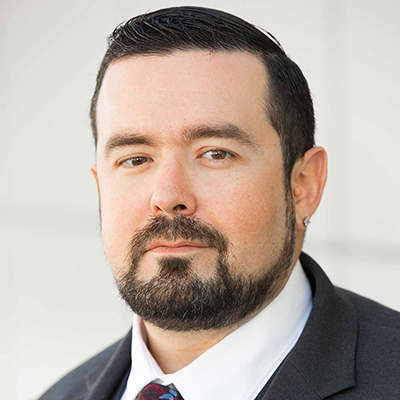
Darío C. Gómez
