 Skip to Content

How Long Does a Personal Injury Lawsuit Take in California?
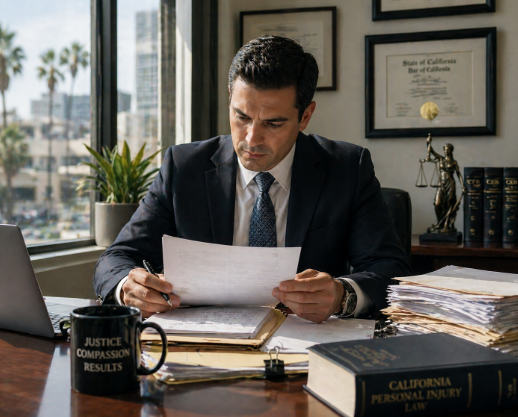
A personal injury lawsuit in California typically takes anywhere from several months to several years to resolve, depending on whether the case settles or goes to trial. Most straightforward cases that settle before filing take 6 to 18 months. Cases that require litigation often run 2 to 3 years or longer. The timeline is shaped by the severity of your injuries, the complexity of liability, how aggressively the insurance company fights the claim, and how backed up the local court system is when your case is filed.
Understanding the realistic timeline helps you plan your finances, make informed decisions, and avoid pressure tactics designed to rush you into a bad settlement.
The Phases of a California Personal Injury Case
Every personal injury case moves through a predictable sequence of phases, though the time spent in each phase varies significantly by case type and circumstances.
Phase 1: Medical Treatment and Recovery (Weeks to Months)
 Before any serious claim work begins, your attorney will typically advise you to reach maximum medical improvement (MMI), the point at which your doctors have a clear picture of your injuries, treatment costs, and long-term prognosis. Filing too early, before you know the full extent of your damages, can mean leaving money on the table.
For soft tissue injuries like whiplash, MMI may come in 6 to 12 weeks. For serious injuries such as spinal damage, traumatic brain injuries, and fractures requiring surgery, this phase can take 6 to 12 months or longer. Catastrophic injuries involving permanent disability may never reach a clean MMI endpoint, which requires a different approach to calculating future damages.
Rushing this phase is one of the most common mistakes injury victims make. Insurance adjusters count on it.
Phase 2: Investigation and Demand (1 to 3 Months)
Once you’ve stabilized medically, your attorney gathers evidence: accident reports, medical records, witness statements, expert opinions, and documentation of your lost wages and out-of-pocket costs. This phase also includes calculating the full value of your claim, including non-economic damages like pain and suffering.
A formal demand letter is then sent to the at-fault party’s insurer. California law does not set a mandatory response deadline for insurers on third-party claims, but insurers are generally required under California Insurance Code Section 790.03 to acknowledge claims promptly and conduct reasonable investigations. In practice, expect 30 to 90 days for an insurer to respond meaningfully to a demand.
Phase 3: Settlement Negotiations (Weeks to Several Months)
Many cases resolve here without ever filing a lawsuit. Simple cases with clear liability and documented injuries can settle in weeks. Disputed liability cases, including cases where the insurer disputes the severity of your injuries, can drag negotiations out for months, sometimes with multiple rounds of counter-offers.
If negotiations stall or the insurer’s final offer is unreasonably low, your attorney files a lawsuit. That decision changes the timeline substantially.
Phase 4: Filing and Service (Weeks)
Filing the complaint formally opens the lawsuit. The defendant is then served, and they have 30 days to respond under the California Code of Civil Procedure. The clock on California’s statute of limitations, generally two years from the date of injury under California Code of Civil Procedure Section 335.1, means your attorney must file before that deadline, regardless of where negotiations stand.
Phase 5: Discovery (6 to 18 Months)
Discovery is usually the longest phase of active litigation. Both sides exchange written questions (interrogatories), request documents, and take depositions of witnesses, parties, and experts. In complex cases involving trucking companies, multiple defendants, or catastrophic injuries, discovery can run longer than a year.
Insurance companies use discovery aggressively. Expect requests for your complete medical history, social media records, employment records, and detailed questions about your daily activities. This is standard procedure and not a signal that the case is going badly. It is time-consuming.
Phase 6: Mediation and Pre-Trial Motions (1 to 6 Months)
Most California civil courts require the parties to attempt mediation before trial. A neutral mediator helps both sides reach a voluntary settlement. According to the California Courts system, the majority of civil cases settle before reaching trial, and many do so at mediation. This phase is often where large settlements are reached.
Pre-trial motions, including motions for summary judgment, can be filed during this window and may add months to the timeline depending on how the court rules.
Phase 7: Trial (Days to Weeks if it gets there)
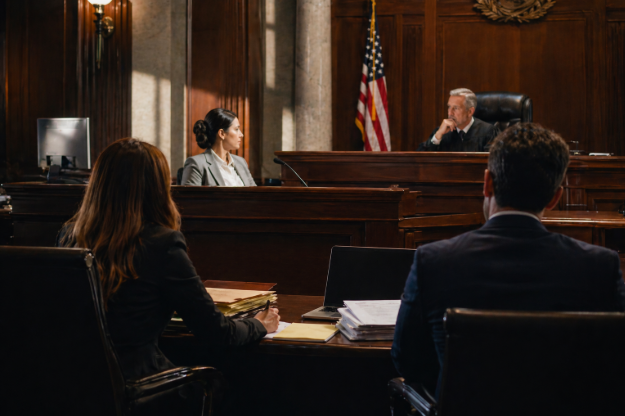
If the case does not settle, it proceeds to trial. A personal injury jury trial in California typically runs 5 to 10 court days for a moderately complex case. Multi-defendant cases or cases with significant expert testimony can run 2 to 4 weeks. After a verdict, post-trial motions and potential appeals can add additional months or years before final resolution.
The Los Angeles Superior Court, one of the busiest trial courts in the country, can have trial dates set 12 to 24 months after a case is filed. Court backlogs directly affect how long litigation takes.
Factors That Affect How Long Your Case Takes
No two personal injury cases move on the same schedule. These are the variables that most reliably speed up or slow down resolution.
Severity of Injuries
More serious injuries take longer for two reasons. First, you need more treatment time before damages can be accurately calculated. Second, the stakes are higher, so insurers fight harder. A minor soft-tissue case may resolve in months. A case involving a spinal cord injury or traumatic brain injury routinely takes two to four years when litigated.
Clarity of Liability
When the other driver ran a red light, and there are three witnesses and a traffic camera, liability is rarely disputed seriously. When fault is contested, such as in a multi-car pileup, a slip and fall where the property owner claims you ignored posted warnings, or a motorcycle accident where the insurer claims lane splitting was illegal, the case takes longer because liability becomes its own contested issue.
Number of Defendants
Truck accident cases frequently involve multiple defendants: the driver, the trucking company, the cargo loader, and the truck manufacturer. Each defendant has separate counsel. Discovery multiplies. Scheduling becomes more complicated. These cases almost always take longer than single-defendant cases.
Insurance Company Tactics
Large insurers have legal teams specifically trained to delay, minimize, and defend claims. Common delay tactics include requesting unnecessary documentation, disputing the medical necessity of your treatment, scheduling defense medical examinations that produce contradictory opinions, and making lowball offers late in the process, hoping you’ll accept out of financial desperation.
Knowing this in advance is not pessimism. It’s preparation.
Court Backlogs
Where you file matters. The Los Angeles Superior Court handles an enormous civil caseload. Cases filed in less congested counties may reach trial significantly faster. Your attorney’s knowledge of local court scheduling is a real tactical factor, not just background noise.
What the Statute of Limitations Means for Your Timeline
California Code of Civil Procedure Section 335.1 gives most personal injury victims two years from the date of injury to file a lawsuit. Missing this deadline generally means losing your right to compensation entirely, regardless of how strong your case is.
There are limited exceptions. The clock may be paused (tolled) if the injured person is a minor, if the defendant left California after the injury, or in some cases involving the discovery of a latent injury. Claims against California government entities follow different rules and require a government tort claim filed within six months of the incident under the California Government Claims Act.
The statute of limitations does not mean you must wait two years to act. The sooner evidence is preserved and investigation begins, the stronger your case. Witnesses move, security footage gets overwritten, and memories fade.
Settled vs. Litigated: The Real Timeline Difference
The single biggest variable in how long your case takes is whether it settles before or after a lawsuit is filed.
Pre-litigation settlements typically resolve in 6 to 18 months from the date of injury. Litigated cases, those that require filing a lawsuit, average 2 to 4 years when they go through the full discovery and trial process. The majority of filed cases do settle before trial, often at mediation, but by that point, 18 to 30 months may have already elapsed.
Settling quickly is not always better. A fast settlement that undervalues your injuries is not a win. The right timeline is the one that results in full compensation for what you actually suffered, not the one that gets money in your account fastest.
Can Anything Speed Up the Process?
Some things are outside your control. Court backlogs, discovery disputes, and insurance company tactics all affect timing regardless of what you do. But several factors within your control can move a case forward more efficiently.
Seeking medical treatment immediately and following your doctor’s recommendations consistently is important both for your recovery and your case. Gaps in treatment give insurers ammunition to argue that your injuries were not serious or that something else caused them. Keeping thorough records of medical visits, out-of-pocket expenses, and how your injuries affect your daily life gives your attorney concrete documentation to build a stronger demand.
Working with an attorney who responds quickly to discovery requests, files motions strategically, and maintains pressure on opposing counsel also matters. Litigation has a pace that skilled counsel can influence.
Should You Expect to Go to Trial?
 Statistically, no. The California Courts system reports that the overwhelming majority of civil cases are resolved before trial. Most personal injury cases settle at some point in the pre-litigation or mediation phase. Trial is the exception, not the rule.
That said, the willingness to go to trial matters. Insurers know which law firms are willing to litigate and which are primarily settlement shops. A firm with a genuine trial record commands more serious settlement offers. You may never set foot in a courtroom, but having an attorney who would take you there if necessary changes the negotiating dynamic.
According to the American Bar Association, cases handled by an attorney from the beginning, rather than cases where an attorney is retained after initial settlement negotiations have already begun, tend to result in higher recoveries, even after attorney fees.
Frequently Asked Questions
What is the average settlement timeline for a car accident in California?
A car accident case with clear liability and documented injuries typically settles in 6 to 12 months if resolved without filing a lawsuit. Cases where liability is disputed or injuries are severe, often take 18 months to 3 years, particularly if litigation becomes necessary.
Does filing a lawsuit always mean going to trial?
No. Filing a lawsuit does not mean the case will go to trial. In California, the large majority of personal injury lawsuits settle before trial, often during mediation. Filing is often necessary to apply pressure on an insurer or preserve your rights under the statute of limitations, even if the case never reaches a courtroom.
What is maximum medical improvement, and why does it matter for my case timeline?
Maximum medical improvement (MMI) is the point at which your medical condition has stabilized, and your doctors have a clear picture of your long-term prognosis. Settling before MMI risks undervaluing your claim because future medical costs and permanent limitations may not yet be known. Most attorneys advise waiting for MMI before accepting any settlement.
How long does a wrongful death lawsuit take in California?
Wrongful death cases in California generally take longer than standard personal injury claims because of the complexity of damages, the involvement of multiple family members, and the intensity with which defendants contest liability. Two to four years is a realistic timeline for litigated wrongful death cases. California Code of Civil Procedure Section 335.1 gives eligible family members two years from the date of death to file.
Can I still file a lawsuit if I was partially at fault for the accident?
Yes. California follows a pure comparative fault rule, which means your compensation is reduced by your percentage of fault, but you are not barred from recovery even if you were significantly at fault. If your damages total $500,000 and you are found 30 percent at fault, you can still recover $350,000. There is no minimum threshold for fault that eliminates your right to file.
What happens if the insurance company makes a settlement offer while I am still treating?
Early settlement offers from insurers are almost always lower than the case is worth. Once you accept a settlement and sign a release, you cannot reopen the claim for additional compensation even if your injuries turn out to be more serious than initially believed. Consulting with an attorney before accepting any offer protects you from permanently undervaluing your claim.
Does hiring a personal injury attorney slow down or speed up the process?
Hiring an experienced attorney typically speeds up the process by moving through phases efficiently, responding to insurer tactics promptly, and knowing when settlement offers are worth accepting versus fighting. Unrepresented claimants often face more aggressive lowball offers and longer delays because insurers assess the threat level of opposing counsel when setting negotiating strategy.
Questions About Your Case?
If you have been injured and want to understand what your specific case timeline might look like, the attorneys at Culver Legal, LLP are available for a free case evaluation. The firm has recovered over $1 billion for injured clients across California and handles cases on a no-fee-unless-we-win basis. There is no cost and no obligation to speak with someone today.
If you want to understand what your legal options actually are, speaking with a personal injury attorney who handles cases at trial is the place to start. Our car accident attorneys and other practice area teams are available 24/7 to review your situation. Call (310) 600-7881 for a free case evaluation.
Culver Legal, LLP
5670 Wilshire Blvd., Suite 1370
Los Angeles, CA 90036
Phone: (310) 600-7881
Serving clients throughout California, including Los Angeles, Long Beach, San Diego, Riverside, Bakersfield, Fresno, San Francisco, Gardena, Huntington Park, and Orange County.