 Skip to Content
Serving All of California - Hablamos Espanol
Serving All of California 24/7
Rideshare Accident Lawyer in Long Beach
If you’ve been involved in an Uber, Lyft, or other rideshare crash in Long Beach, CA, you need an experienced legal team on your side to help you navigate the complexities of insurance claims, liability issues, and legal rights. Long Beach is known for its lively streets, scenic coastal areas, and a thriving rideshare industry, with countless rideshare drivers operating along popular routes like Pine Avenue, Ocean Blvd, and Shoreline Drive. These busy corridors, especially during peak hours, are hotspots for both routine trips and accidents, making rideshare crashes a common and often complicated ordeal for victims.
Accidents involving Uber and Lyft can be life-altering, resulting in serious injuries, mounting medical expenses, lost income, and emotional trauma. Managing the aftermath requires expert legal guidance, especially since the involved parties and insurance coverages are often complex and layered. At Culver Legal, our Long Beach rideshare accident lawyers specialize in handling these intricate cases and are committed to maximizing your compensation and helping you regain control of your life. We’re dedicated to supporting victims and their families, navigating the dense web of California laws, CPUC regulations, and insurance policies that govern rideshare injuries.
Don’t let confusion or fear hold you back. If you or a loved one has been injured in a rideshare crash, contact us today at (310) 600-7881 for a free, no-obligation consultation. Our experienced attorneys work on a contingency basis, meaning you pay nothing unless we recover compensation for your injuries. Reach out now and let Culver Legal be your trusted advocate in this difficult time.
How Uber & Lyft Accidents Differ From Other Impacts and Crashes
Rideshare accidents involve a unique set of legal, insurance, and liability issues that distinguish them from typical motor vehicle crashes. As a result, these crashes require specialized legal understanding and experience to navigate effectively. Here are some key differences:
- Multiple Layers of Insurance: Uber and Lyft maintain different insurance coverages depending on the driver’s activity status. During periods when the driver is offline or not logged into the app, only the driver’s auto insurance applies. When the driver is logged into the app and en route to pick up or transport a passenger, the company’s commercial insurance policy provides primary coverage, often with higher limits than personal policies. Understanding which policy applies at the time of the crash is crucial to getting full compensation.
- Regulatory Framework: California’s CPUC (California Public Utilities Commission) regulates TNC operations, requiring rideshare drivers to carry specific coverage and adhere to safety standards. Prop 22 (passed in 2020) also impacts driver classifications, insurance obligations, and benefits, further complicating legal analysis.
- Liability and Fault: Unlike traditional car accidents, determining who is liable can involve multiple parties, the driver, the rideshare company, third-party drivers, or even vehicle manufacturers. The commercial nature of the ride also affects legal claims and insurance coverage, making a thorough investigation essential.
- Claim Process Complexity: Filing a rideshare accident claim often requires a detailed understanding of the involved policies, exemptions, and exceptions that apply when passengers are involved versus when drivers are en route to or from trips.
Therefore, victims need a rideshare crash lawyer experienced in the specific legal landscape of California’s TNC regulations. We help clients understand their rights, gather evidence, and pursue rightful compensation for their injuries.
Who May Be Liable in a Rideshare Accident?
The Rideshare Driver
In most cases, the rideshare driver is the first party considered liable if their negligence caused the crash. This includes behaviors such as texting while driving, speeding, running red lights, or reckless driving. The driver’s independent contractor status complicates liability, but they are still responsible for obeying traffic laws and driving safely. Our Long Beach rideshare crash attorney will investigate whether the driver was distracted, under the influence, fatigued, or otherwise negligent at the time of the crash, which could establish liability for damages.
Uber or Lyft (Corporate Coverage)
Uber and Lyft’s insurance policies are designed to protect all parties involved during specific periods, primarily when the driver is actively working. Prop 22 modified some of the ride-hailing regulations, emphasizing coverage during the “-on-” periods, including liability coverage, which can cover injuries to victims outside the vehicle, such as pedestrians or other drivers. These policies often have high liability limits, which can significantly benefit victims. Our goal is to ensure these policies are fully exhausted to maximize the recovery for our clients.
Third-Party Drivers
Liability can also extend to other motorists involved in the crash. If a third-party driver was reckless, speeding, or ran a red light, causing your injuries, their auto insurance should cover damages. Establishing fault against third-party drivers often involves reviewing police reports, witness statements, and traffic camera footage.
Vehicle Manufacturers or Maintenance Companies
Mechanical failures, such as brake failure, tire blowouts, or steering defects, may lead to crashes that involve product liability claims against manufacturers or maintenance providers. If your injuries resulted from defective vehicle parts, we can explore these avenues to seek additional compensation.
The Role of Prop 22 and CPUC Regulations
California’s Prop 22 significantly influenced liability and insurance rules for rideshare companies, emphasizing the importance of understanding how these legal statutes impact your claim. Our legal team keeps up with ongoing regulatory updates to help build the strongest case possible for our clients.
What Insurance Coverage Applies in a Rideshare Crash in California?
California law mandates specific insurance coverages for rideshare drivers, depending on their activity status at the time of the crash. The layered nature of insurance policies can confuse victims without legal guidance. Here’s a breakdown of coverage periods:
App Off, App On, but No Passenger
If the driver’s Uber or Lyft app is turned off, only the driver’s auto insurance policy applies if it provides coverage for commercial use, or if the driver has a comprehensive policy covering business use. Many personal policies exclude coverage if the vehicle is used for commercial purposes unless they are specifically endorsed. It’s imperative to review your policy to understand your protections.
En Route to Pickup
During the “en route” phase, when the driver has accepted a ride request and is heading to pick up the passenger, Uber and Lyft’s insured coverage kicks in. Under California’s CPUC regulations, both companies’ commercial policies provide liability coverage, often up to $1 million, along with personal injury and property damage coverage. These policies are designed to compensate victims for injuries ranging from minor cuts to catastrophic disabilities.
Passenger in Vehicle
Once a passenger enters the vehicle, Uber and Lyft’s primary commercial insurance policies generally cover injuries, property damage, and related costs. These policies are usually extensive, often providing coverage well beyond what personal auto policies might, including medical expenses, lost wages, and damages for pain and suffering. It is crucial to document injuries and notify the company promptly to preserve your claim rights.
Common Causes of Rideshare Accidents in California
Understanding what commonly causes rideshare crashes can help victims identify liability and strengthen their claims. Some of the most frequent causes include:
- Distracted Driving: Use of smartphones to navigate or communicate is a top cause. Even the best drivers can be distracted, leading to rear-end or intersection crashes, especially during busy hours in downtown Long Beach and along Ocean Blvd.
- Unsafe Pickups or Drop-Offs: Stopping in travel lanes, unplanned highway or street parking, or quick stops in congested areas create hazards for other motorists and pedestrians alike. Such stops are common along the busy Shoreline corridor and near popular venues.
- Driver Fatigue or Inexperience: Rideshare drivers often work long hours, sometimes causing fatigue that impairs their reactions. New drivers unfamiliar with local routes may make mistakes, leading to accidents.
- Speeding or Traffic Violations: Rushing locations or attempting to beat traffic signals results in dangerous maneuvers, especially during peak commuter hours around Long Beach’s downtown core or during festivals and events.
- Mechanical Failure: Poor maintenance, tire blowouts, brake failures, or steering problems can cause crashes, particularly in older vehicles or those not properly serviced by the fleet or maintenance companies.
Being aware of these common causes helps victims and their lawyers develop strong cases by pinpointing negligent parties and establishing liability.
Common Injuries in Rideshare Accidents
Rideshare crashes can lead to various physical injuries, some minor, many severe, that impact victims’ lives long-term. Common injuries include:
- Whiplash and Soft Tissue Injuries: Neck strains, back pain, and ligament sprains resulting from quick impacts are among the most frequent injuries. These often require physical therapy and can cause chronic pain if improperly treated.
- Concussions and Head Trauma: The force of impact may cause head injuries, including concussions or traumatic brain injuries, which often have lasting cognitive and emotional effects.
- Broken Bones and Fractures: Limbs, ribs, facial bones, or pelvis can fracture during severe crashes, often requiring surgery and extensive recovery periods.
- Spinal Injuries: Damage to the spinal cord or vertebrae can lead to paralysis, nerve damage, or lifelong disabilities, drastically changing the victim’s quality of life.
- Emotional Distress and PTSD: Psychological trauma, including depression, anxiety, and post-traumatic stress disorder, often accompanies physical injuries, especially in high-impact or fatal crashes.
Seeking prompt medical attention and consulting an experienced rideshare injury lawyer ensures that victims preserve their rights and pursue maximum damages for their injuries.
I Was a Passenger in a Rideshare Crash. Can I Sue?
Absolutely. As a passenger, you are generally protected under the rideshare company’s insurance policies, which are designed to cover injuries sustained during the ride. This coverage can include hospital bills, compensation for pain and suffering, lost wages, and property damage. Even if the driver’s negligence is at fault, the rideshare provider’s insurance often handles the claim, and we can assist you in navigating this process efficiently.
It’s important to gather evidence at the scene, including photos of injuries, contact information, witness accounts, and to report the accident to the rideshare company promptly. Working with an experienced Long Beach Uber accident lawyer can ensure you maximize your claim and receive the justice and compensation you deserve.
I Was Hit by a Rideshare Driver While Walking or Driving. Do I Have a Claim?
If you were struck by a rideshare driver as a pedestrian, bicyclist, or another motorist, your ability to recover damages depends on establishing liability—whether the driver was negligent, distracted, or reckless. The rideshare company’s insurance policies are designed to cover injuries to third parties as well, especially during periods when the driver is actively using the app or transporting passengers.
It is critical to gather evidence, such as photographs, police reports, and eyewitness statements, and work with an attorney experienced in rideshare injury claims to hold the responsible parties accountable. Your claim can include compensation for medical expenses, emotional trauma, lost wages, and property damage.
I’m Undocumented. Can I File a Rideshare Accident Claim?
Yes. California law explicitly prohibits discrimination based on immigration status, particularly when pursuing personal injury claims. If you are injured in a rideshare crash, you have the same rights to seek compensation as any other victim. Our legal team will protect your confidentiality and ensure your claim is handled without risking your immigration status.
Filing a claim does not require revealing your immigration status, and all personal injury recoveries are protected to the extent California law permits. We are committed to helping undocumented residents access justice and obtain fair compensation for their injuries.
I Don’t Have Health Insurance, Can I Still Get Medical Help?
Yes. If injured in a rideshare crash, emergency medical treatment is your priority. Hospitals and urgent care centers are required to treat you regardless of your insurance status, especially for life-threatening injuries. Additionally, your rideshare accident claim can potentially cover your medical expenses, so it’s essential to document all injuries, seek prompt medical care, and consult an experienced attorney.
In some cases, if your injuries are not immediately life-threatening but require ongoing treatment, we can assist in structuring your claim to cover future medical costs, including physical therapy or rehabilitation, ensuring your recovery isn’t financially burdensome.
What Damages Can I Recover After a Rideshare Accident in California?
California law provides victims of rideshare crashes the right to seek comprehensive damages to fully address their injuries and losses:
Medical Expenses
This includes hospital bills, surgeries, prescription medications, physical therapy, mental health counseling, and any necessary future medical care related to the accident. We work to ensure that all medical costs are documented and fully compensated.
Lost Wages
If your injuries prevent you from working, whether temporarily or permanently, you’re entitled to recover your lost income. This also includes potential future earnings if your injuries impair your ability to perform your job or require a career change.
Pain and Suffering
Compensation for physical pain, emotional distress, anxiety, depression, and loss of the ability to enjoy life’s pleasures. These damages are subjective, but an experienced attorney can help maximize your claim based on your specific circumstances.
Property Damage
Reimbursement for repairs or replacement of your vehicle, personal belongings damaged in the crash, and any other property involved.
Loss of Future Earning Potential
If injuries result in long-term or permanent disability, damages may be awarded to compensate for diminished earning capacity over your lifetime.
What to Do After an Uber or Lyft Accident in Long Beach
- Report the Crash: Always call law enforcement immediately after the accident to ensure an official police report is filed. This report becomes vital evidence for insurance claims and legal proceedings.
- Gather Evidence: Take detailed photos of the crash scene, the vehicles involved, your injuries, and any contributing factors like road hazards or traffic signals. Collect contact information from witnesses, and obtain the police report number for future reference.
- Notify the Rideshare Company: Report the incident to Uber, Lyft, or other involved companies as soon as possible, providing accurate details about the crash. This step is crucial for establishing coverage and liability.
- Seek Medical Attention: Even if injuries seem minor, have a healthcare professional evaluate you. Keep detailed records of all treatments and expenses, as these will be necessary to support your legal claims.
- Consult an Experienced Attorney: Contact a rideshare injury lawyer to evaluate your case, preserve key evidence, and guide you through the complex claim process. Don’t accept settlement offers without legal review.
Statute of Limitations for Rideshare Accident Claims in California
In California, victims generally have two years from the date of the crash to file a personal injury lawsuit, per the California Civil Code § 335.1. If you miss this deadline, your right to pursue damages may be permanently barred. Because rideshare insurance claims often involve multiple layers and potential disputes, working with an attorney promptly is essential to meet all deadlines and protect your legal rights.
Furthermore, property damage claims and wrongful death claims have their statutory deadlines, which may vary slightly, so consulting a knowledgeable rideshare accident lawyer early can help you avoid accidental forfeitures of your rights.
Why Choose Culver Legal as Your Long Beach Rideshare Accident Lawyer
- Specialized Experience: Our attorneys have extensive experience handling complex rideshare crash cases involving Uber, Lyft, and other TNCs, understanding the nuances of Prop 22, CPUC regulations, and California insurance laws.
- Proven Track Record: We have successfully secured maximum compensation for clients with rideshare injury claims, including wrongful death and catastrophic injury cases.
- Client-Focused Approach: Compassionate, dedicated, and transparent throughout your case. We keep you informed at every step and tailor legal strategies to your specific goals.
- No Upfront Fees: Our contingency fee arrangement means you don’t pay unless we recover damages, giving you peace of mind to focus on healing.
- Local Knowledge and Support: As a Long Beach-based law firm, we understand the city’s unique traffic corridors, high-crash zones, and local laws that impact your case, such as Long Beach’s busy Shoreline area and downtown streets.
Frequently Asked Questions About Uber/Lyft Crashes
What steps should I take immediately after a rideshare accident?
Prioritize safety by moving to a safe location if possible, calling law enforcement, and seeking medical attention. Collect witness information, photos, and details from the scene. Report the crash to the rideshare company and consult an attorney before signing any settlement offers.
Who is liable if I am injured in a rideshare crash?
Liability can involve the driver, the rideshare company, third-party drivers, or vehicle manufacturers. Our lawyers conduct thorough investigations to pinpoint responsible parties.
What insurance coverage do Uber and Lyft provide?
Coverage varies depending on the driver’s activity at the time of the crash, but generally includes liability, collision, and injury protection during the “en route,” “with passenger,” or “off-duty” phases.
Can I file a claim if I wasn’t a passenger?
Yes. Pedestrians, bicyclists, and other motorists injured in a crash with a rideshare vehicle can pursue damages from the liable driver’s insurance or the rideshare company, depending on the circumstances.
What if I’m undocumented or don’t have health insurance?
All victims in California have protected rights, regardless of immigration status or insurance coverage. Our firm will guide you through options for recovery and ensure your privacy and rights are protected.
Contact a Long Beach Rideshare Accident Attorney Today
If you or a loved one has suffered injuries in a rideshare crash, your next move is crucial. The attorneys at Culver Legal offer dedicated, expert representation to maximize your recovery. We understand the complexities of rideshare laws, insurance policies, and accident claims, and we’re committed to fighting for your rights.
Call us now at (310) 600-7881 for a free, confidential consultation. Remember, our legal services are contingency-based: you pay nothing unless we win your case. Don’t delay, your recovery depends on acting quickly to preserve evidence, file claims, and build a strong case.
Let us help you obtain the justice and compensation you deserve. Contact Culver Legal today.
Additional Resources
Learn more about your options for compensation by calling 310-600-7881 .
Trusted by Thousands. Millions Recovered For Our Clients
YOU Deserve the Best
Free Case Review 24/7 You Don’t Pay unless we win
CALL 310-600-7881
"*" indicates required fields
Featured Lawyers
-
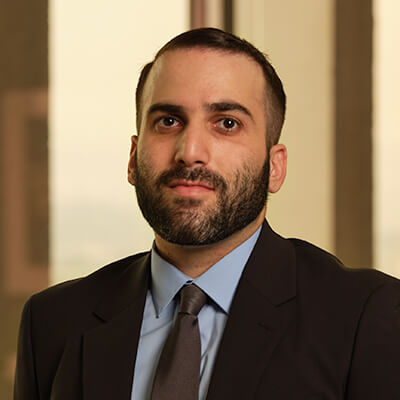
David Merabi
-

Thanos Simoudis
-

Victoria Manesh
-

Michael B. Huynh
-

Michael Domingo
-
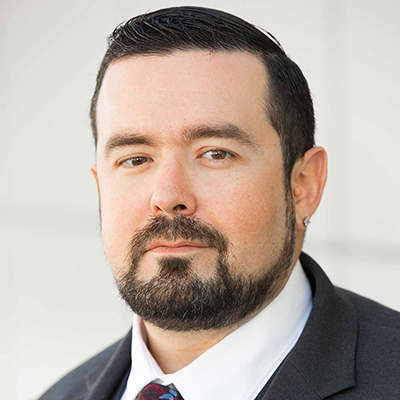
Darío C. Gómez
