 Skip to Content
Serving All of California - Hablamos Espanol
Serving All of California 24/7
Rideshare Accident Lawyer in San Diego
If you’ve recently been injured while using Uber or Lyft in San Diego, California, you’re not alone. San Diego’s vibrant neighborhoods, ranging from the bustling Gaslamp Quarter and downtown district to the seaside communities of La Jolla and Coronado, are among the busiest markets for rideshare services in the country. With thousands of trips completed daily, accidents are an unfortunate but common reality. Whether you’re a passenger, pedestrian, bicyclist, or another motorist, being involved in a rideshare crash can turn your life upside down in a matter of seconds. That’s why having an experienced rideshare accident lawyer in San Diego by your side is essential to protect your rights and secure the compensation you deserve.
At Culver Legal, we understand the complexities of rideshare injury claims and the unique challenges victims face in California’s legal landscape. Our dedicated team of legal professionals is committed to guiding you through every step of the process, helping you recover financially, emotionally, and physically from your injuries. We offer a free, no-obligation consultation so you can explore your legal options without worry. Call us today at (310) 600-7881 to schedule your appointment. Remember, time is critical: California law grants a limited window to file a claim, so don’t delay in seeking expert guidance.
Rideshare Accidents in San Diego: What You Need to Know
San Diego is a city that relies heavily on rideshare services such as Uber and Lyft to cope with its extensive urban and suburban landscape. From the historic districts of Old Town to the beaches of La Jolla and Mission Bay, there is an ever-present flow of taxis, rideshare drivers, pedestrians, and cyclists. With this high volume of traffic, accidents are an unfortunate reality, whether they involve rideshare vehicles colliding with other drivers, pedestrians, or cyclists.
Statistically, San Diego sees hundreds of rideshare-related accidents each year. These incidents tend to cluster around prime areas such as downtown during rush hours, around the airport during holiday seasons, and along major corridors like Interstate 5, I-8, and Pacific Highway. Riders and drivers alike are vulnerable in these densely packed and often chaotic environments. Recognizing the specific risks associated with San Diego’s roadways helps in understanding the importance of legal representation skilled in the ins and outs of rideshare law.
Our firm knows the local roads, the jurisdictions involved, and how to effectively hold the responsible parties accountable in the complex web of rideshare liability. If you’ve been hurt in an Uber or Lyft accident in San Diego, reach out to a proven rideshare accident lawyer in San Diego to help you recover damages and protect your future.
Common Causes of Rideshare Crashes
Distracted Driving
Among the primary culprits behind rideshare accidents is distracted driving. Drivers often have to multitask, checking navigation apps, communicating with passengers via the app, or scrolling through ride requests. This divided attention can lead to missed traffic signals, inattentiveness at intersections, or rear-end collisions. California’s strict anti-cellphone laws impose hefty fines on distracted drivers, but enforcement alone isn’t enough; experienced legal counsel can help establish negligence when an accident occurs due to distraction.
Speeding or Aggressive Driving
In the race to maximize earnings, some Uber and Lyft drivers push their speed, particularly on highways like I-5 or I-805. Aggressive driving behaviors such as tailgating, weaving through traffic, or running red lights increase crash risk substantially. Speeding crashes tend to be more severe, leading to catastrophic injuries and long-term disabilities. Recognizing these behaviors is crucial when building a personal injury claim.
Fatigued Rideshare Drivers
Many drivers work long hours with minimal breaks to meet earnings goals, risking fatigue akin to truck drivers or commercial operators. Drowsiness impairs reaction time, decision-making, and observation, especially when navigating high-traffic areas like downtown or the busy entrance to San Diego International Airport. If you are injured by a fatigued driver, a rideshare injury lawyer can help establish the liable party’s negligence.
Inexperienced or Poorly Trained Drivers
Some rideshare drivers are new to the industry or have inadequate training. Lack of familiarity with local traffic laws, roadways, or proper driving techniques can contribute to accidents. San Diego’s complex network of streets and busy intersections requires skilled driving, and inexperienced drivers are more likely to make critical mistakes.
Unsafe Pick-Up and Drop-Off Locations
Many accidents happen when drivers stop in unsafe zones, such as busy intersections, dangerous neighborhoods, or crowded areas like the San Diego Convention Center during events. Pedestrian-heavy zones like Balboa Park or the area around Petco Park can also see increased accident rates due to congestion and inattentive drivers or passengers. Picking safe locations and following local traffic ordinances helps prevent collisions, and legal recourse exists when negligence results in injury.
Impaired Driving (Drugs or Alcohol)
Impaired driving remains a serious concern. Uber and Lyft drivers may operate under the influence of drugs or alcohol, especially during late-night hours in entertainment districts or during events. California law strictly prohibits impaired driving, but enforcement challenges and the nature of alcohol’s effects make crashes more likely when impairment occurs. Victims of intoxicated rideshare drivers need robust legal support to secure fair damages.
What to Do If You’re Injured in an Uber or Lyft Accident
If you find yourself involved in a rideshare crash, your immediate priority should be safety and health. Call emergency services, especially if there are injuries or property damage. Seek medical attention even if you feel fine, as some injuries might not be immediately apparent. Gather evidence by taking photos of the scene, vehicle damage, and road conditions. Obtain contact information from witnesses and the rideshare driver involved.
File a report with the police; having an official record can be invaluable later. Report the incident through Uber or Lyft’s in-app feature or customer support channels. It’s crucial to inform the rideshare company about the accident promptly, as their insurance coverage might depend on timely reporting.
Consult with a skilled rideshare accident lawyer in San Diego to scrutinize your case, assess liability, and guide you through insurance claims and legal filings. Remember, California law generally affords you only two years from the date of the injury or accident to file a claim, so acting swiftly can make all the difference in your ability to recover damages.
Who Can Be Held Liable in a Rideshare Accident?
Liability in rideshare accidents is complex due to the multiple layers of potential responsible parties. According to California law, liability depends on the period of the accident, the insurance coverage in place, and the conduct of the involved parties:
- The Rideshare Driver: Responsible for negligent driving, including speeding, distracted driving, or intoxication. Drivers can be held accountable if their negligence causes the accident.
- The Rideshare Company (Uber, Lyft): Legally liable during periods when their app is active and the driver is available for hire, especially if the accident occurs during ride acceptance or while a passenger is in the vehicle.
- Third-Party Drivers: Other vehicle operators involved either directly caused the crash or contributed to it. This could include other rideshare drivers, commercial trucks, or personal vehicle drivers.
- Insurance Providers: The insurance policies offered by rideshare companies, along with the driver’s personal policy, form part of the liability framework. When the driver is on the clock, Uber or Lyft’s insurance typically covers damages, but gaps may exist depending on the situation.
Understanding Uber and Lyft Insurance Coverage
California law and rideshare company policies stipulate different levels of insurance coverage based on whether the driver is active on the app or actively transporting passengers. These coverage periods are critical to establishing liability and recovering damages.
Period 1: App On, No Ride Accepted
During this initial phase, where the driver’s app is active but no trip has been accepted, Uber and Lyft generally provide minimal liability coverage. In many cases, the driver’s auto insurance covers any damages, but many personal policies exclude commercial use or rideshare activities. This gap often leaves drivers and victims unprotected unless the driver has specific rideshare endorsements.
Period 2: Ride Accepted, Passenger Not Yet Picked Up
Once the driver accepts a trip but has not yet picked up the passenger, Uber and Lyft offer contingent liability coverage. This typically includes third-party liability limits of up to $50,000 per person and $100,000 per accident, as well as $25,000 for property damage. This coverage is essential if an accident occurs during this phase, yet it may not be sufficient in severe crashes, emphasizing the importance of understanding your legal rights.
Period 3: Passenger On Board
When a passenger is in the vehicle, Uber and Lyft provide primary insurance coverage, including up to $1 million liability limits. Additionally, uninsured/underinsured motorist coverage is often included, which can be critical if the at-fault driver has inadequate or no insurance. This period is when passengers are most protected, but drivers and other parties involved still have avenues for compensation depending on circumstances.
I Was a Passenger in a Rideshare, Do I Have a Claim?
If you are injured while riding in an Uber or Lyft, you’re generally protected under the company’s insurance policy during the period when the passenger is in the vehicle. These policies are designed to compensate for injuries resulting from the driver’s negligence or other liable parties. Whether your injuries are minor or severe, it’s vital to consult with an experienced Uber accident attorney in California who understands the nuances of rideshare law and how to maximize your compensation.
In addition to insurance claims, victims can pursue damages for medical bills, lost wages, pain and suffering, and future care needs. It’s essential to gather evidence at the scene, report the incident promptly, and seek legal representation as soon as possible to ensure your rights are protected.
I Was Driving My Car and Was Hit by an Uber/Lyft Driver, What Are My Options?
If you were a motorist hit by a rideshare vehicle while driving your car, you may have several avenues for recovery. Under California law, you may be able to sue the rideshare company, the driver, or both, depending on the circumstances of the crash.
The insurance coverage involved can vary based on the period of the accident, whether the driver was actively working, and the specific policies in place. Often, the rideshare company’s insurance will cover damages if the crash occurred during periods when the driver’s app was active and they were en route to pick up or transporting a passenger. A seasoned rideshare crash injury law firm can analyze your case, gather evidence, and fight for fair compensation for your injuries, property damage, and related losses.
I’m a Rideshare Driver and Got Hurt, Can I Sue?
Rideshare drivers injured in accidents face a complex legal landscape. They may pursue damages from the at-fault driver, or in some cases, from the rideshare company if negligence can be established during specific periods of app activity. California’s rideshare liability laws aim to balance the interests of drivers, companies, and victims, but navigating this system requires expert legal knowledge.
Drivers should report accidents promptly and consult with an experienced rideshare accident lawyer in San Diego. Our firm can help determine liability, assess insurance coverage, and develop a comprehensive strategy to recover medical expenses, lost wages, and pain and suffering. Protecting your rights as a driver injured in a rideshare crash is our priority.
What Compensation Can I Recover in a Rideshare Accident?
Victims of rideshare accidents may be entitled to numerous types of damages, including:
- Medical Expenses: Hospital bills, emergency care, surgeries, prescriptions, physical therapy, and ongoing rehabilitation costs. These damages aim to restore your health financially.
- Lost Wages: Compensation for income lost during recovery, including potential future earnings if your injuries lead to long-term disabilities or inability to work in your prior capacity.
- Pain and Suffering: Non-economic damages for physical pain, emotional trauma, anxiety, or reduced quality of life caused by your injuries.
- Long-Term Care or Rehabilitation: Support for ongoing treatment needs, such as physical therapy, occupational therapy, or assisted living arrangements necessary to regain mobility or independence.
I’m Undocumented, Can I Still File a Rideshare Injury Claim?
Absolutely. California law explicitly protects the rights of all victims regardless of immigration status. You do not need legal status to file a personal injury claim or to pursue damages for injuries sustained in a rideshare accident. Our San Diego rideshare legal help team is dedicated to ensuring that everyone, regardless of background, has access to justice. We recognize the importance of advocating for immigrant communities and can guide you through the process of claiming damages, even if you are undocumented.
I Don’t Have Health Insurance, Can You Help Me Get Medical Treatment?
Even without health insurance, you are not out of options. San Diego has numerous clinics and healthcare providers who offer services on a sliding scale, free clinics, or assistance programs designed specifically for uninsured individuals. Additionally, pursuing a legal claim can help recover your medical expenses. Our firm can connect you with local resources, coordinate your care, and help ensure you receive the necessary treatment without financial strain.
How Long Do I Have to File a Claim After a Rideshare Accident in California?
California law provides a strict deadline for personal injury claims, including rideshare accidents. The statute of limitations is generally two years from the date of the incident. This means that if you do not file your claim within this period, your right to seek damages may be forever barred. It’s essential to act quickly and consult with an experienced rideshare injury attorney in San Diego to ensure your claim is filed correctly and promptly. Early legal intervention can also preserve critical evidence and witnesses that could be vital to your case.
Why Choose Culver Legal as Your San Diego Rideshare Accident Lawyer
At Culver Legal, we pride ourselves on offering compassionate, thorough, and aggressive legal representation tailored to injury victims in San Diego. Our team possesses deep knowledge of the local roads, traffic laws, and California statutes governing rideshare liability. We have a proven track record of successfully handling Uber and Lyft accident claims and securing maximum settlements for our clients. We work on a contingency fee basis, meaning you pay nothing unless we recover compensation for you.
Our client-focused approach ensures that your well-being and future are at the forefront of every decision. When you work with Culver Legal, you gain a dedicated advocate who understands the nuances of rideshare law and can navigate the complex insurance and liability issues effectively. Trust us to fight for your rights and help you rebuild after devastating crashes.
Frequently Asked Questions About Uber & Lyft Accidents
- What should I do immediately after an Uber or Lyft accident? Ensure safety, seek medical attention, document the scene, report to authorities and the rideshare company, and contact an attorney.
- How does insurance coverage work for Uber and Lyft accidents? Coverage varies depending on app activity, from minimal personal insurance to multi-million dollar policies when passengers are aboard.
- Can I sue the rideshare company directly? Yes, but only under specific circumstances during periods when their insurance is active and specific negligence can be proven.
- How long do I have to file a claim? Generally, two years from the date of the crash, but quick action is advised to preserve evidence.
- What damages can I recover if I am injured? Medical expenses, lost wages, pain and suffering, and future care costs.
- Am I eligible if I’m an undocumented immigrant? Absolutely. California law protects your right to pursue damages regardless of immigration status.
- What if I don’t have health insurance? You can still receive treatment and pursue damages to cover your medical bills, with resources available in San Diego.
Contact a San Diego Rideshare Accident Attorney Today
If you or a loved one has been injured in an Uber or Lyft crash, don’t wait to seek legal help. Our team of ride-share accident lawyers in San Diego is ready to evaluate your case, explain your rights, and guide you through the process of recovering maximum compensation. Remember, the legal window in California is limited, so act now. Call Culver Legal at (310) 600-7881 today for your free, no-obligation consultation. We’re dedicated to fighting for your justice with a compassionate, client-centered approach, working on contingency so you pay nothing upfront.
Learn more about your options for compensation by calling 310-600-7881 .
Trusted by Thousands. Millions Recovered For Our Clients
YOU Deserve the Best
Free Case Review 24/7 You Don’t Pay unless we win
CALL 310-600-7881
"*" indicates required fields
Featured Lawyers
-
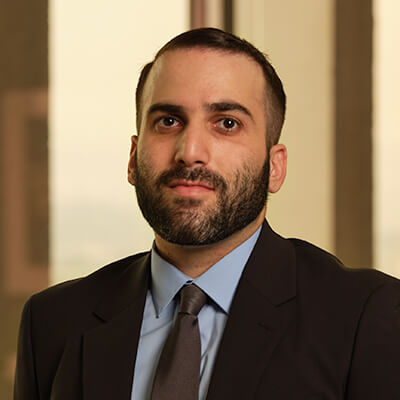
David Merabi
-

Thanos Simoudis
-

Victoria Manesh
-

Michael B. Huynh
-

Michael Domingo
-
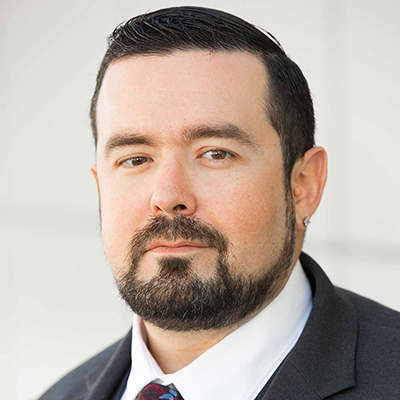
Darío C. Gómez
