 Skip to Content
Serving All of California - Hablamos Espanol
Serving All of California 24/7
San Diego Personal Injury Lawyer
You were hurt because someone else was careless. Now you’re dealing with medical bills, missed work, and an insurance company that is moving fast to limit what you recover. If you were injured in San Diego, whether in a car crash on Interstate 5, a slip and fall in the Gaslamp Quarter, or a truck accident on the 163, you have the right to full compensation. The question is whether you have an attorney who will fight to get it.
Culver Legal, LLP, represents seriously injured clients throughout San Diego. Our personal injury attorneys have recovered over $1 billion for clients across California. We work on a contingency basis, meaning you pay nothing unless we win your case. We offer free case evaluations around the clock, seven days a week.

What Personal Injury Claims Look Like in San Diego
San Diego is one of California’s most traffic-dense cities. The combination of military commuters, heavy freight corridors, and a large tourist population creates serious accident risk year-round. The California Office of Traffic Safety consistently ranks San Diego County among the state’s highest for collision injury rates. Car accidents on the I-5, I-15, and State Route 94 account for a significant share of serious injury claims our firm handles in this region.
Beyond vehicle accidents, San Diego sees a high volume of pedestrian injuries near the waterfront and in neighborhoods like Hillcrest and North Park, rideshare accidents tied to the airport and downtown entertainment corridors, and premises liability claims tied to construction projects throughout Mission Valley and East Village. Each case carries its own legal complexity, which is exactly why early representation matters.
Our attorneys handle the full range of personal injury claims in San Diego, including car accidents, motorcycle accidents, truck accidents, pedestrian accidents, bicycle accidents, rideshare accidents, slip and fall injuries, brain injuries, construction accidents, dog bite injuries, wrongful death claims, and work-related injury claims. If you were injured and someone else is responsible, we want to hear from you.
To understand how California law applies to your specific case, including the statute of limitations that controls your filing deadline, you can review the full breakdown on our personal injury overview page.
California Law and Your San Diego Claim
Under California Code of Civil Procedure Section 335.1, you have two years from the date of injury to file a personal injury lawsuit. If your claim involves a government entity, including the City of San Diego, the San Diego Metropolitan Transit System, or a state agency, you must file an administrative claim within six months of the incident. Missing either deadline can eliminate your right to recover entirely.
California is a pure comparative fault state. That means even if you were partially at fault for your accident, you can still recover compensation. If your case is worth $1,000,000 and you are found 25% at fault, you still recover $750,000. Insurance adjusters use comparative fault arguments to pressure injured people into taking less than they deserve. Do not accept a fault attribution before speaking with an attorney.
Why San Diego Cases Require Local Knowledge
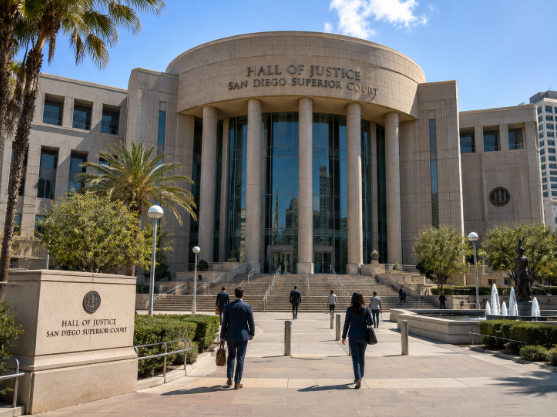
The Hall of Justice at 330 W Broadway in downtown San Diego is where civil personal injury cases are filed and tried. Knowing how the San Diego Superior Court handles discovery disputes, expert testimony, and trial scheduling is not something you learn from a website. Our attorneys understand the procedural landscape and prepare cases accordingly from day one.
San Diego also has claim-specific factors that matter. The Port of San Diego and the freight corridors connecting it to Interstate 8 generate a consistent volume of commercial truck accidents. Military personnel on and near installations in Miramar, Chula Vista, and National City sometimes face jurisdictional questions about where and how to file. The busy trolley and bus network operated by MTS raises additional questions about government entity liability in transit-related accidents.
Why Clients Choose Culver Legal
- Over $1 billion recovered for clients across California
- $4M auto accident verdict | $3.7M personal injury recovery | $3.55M auto accident settlement
- $3M truck accident | $2.5M commercial accident | $2.25M motorcycle accident
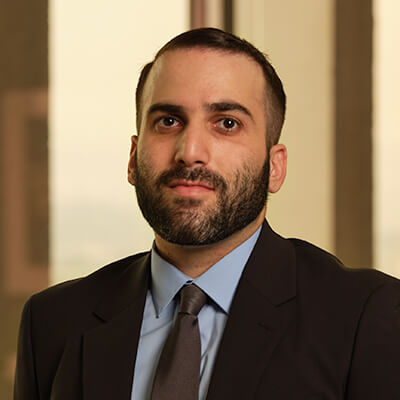
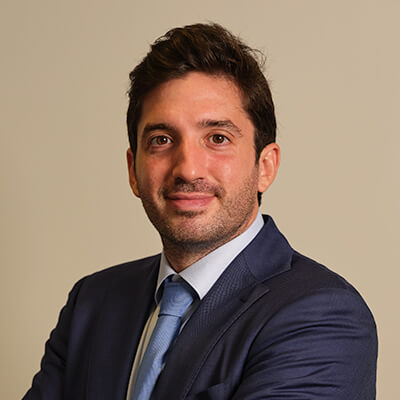
- Attorneys Thanos Simoudis, David Merabi, Dario C. Gomez, Victoria Manesh, Michael Domingo, and Michael B. Huynh
- Bilingual: English and Spanish (Hablamos Espanol)
- Available 24/7 for free case evaluations
- No fees unless we win
Aggressive Representation. Aggressive Results. That is not a marketing line. It is how we approach every case we take.
Other Services We Handle in San Diego
- Car Accident Lawyer San Diego
- Motorcycle Accident Lawyer San Diego
- Truck Accident Lawyer San Diego
- Pedestrian Accident Lawyer San Diego
- Bicycle Accident Lawyer San Diego
- Slip and Fall Lawyer San Diego
- Bus Accident Lawyer San Diego
- Brain Injury Lawyer San Diego
- Construction Accident Lawyer San Diego
- Dog Bite Lawyer San Diego
- Work Injury Lawyer San Diego
- Wrongful Death Lawyer San Diego
- Employment Lawyer San Diego
- Rideshare Accident Lawyer San Diego
San Diego Local Resources
We do not endorse these organizations or profit from listing them.
Courthouse
Hall of Justice (San Diego Superior Court)
330 W Broadway, San Diego, CA 92101
Handles all civil personal injury cases in San Diego County.
Hospital Emergency Room
UC San Diego Health Hillcrest Medical Center
200 W Arbor Dr, San Diego, CA 92103
Open 24 hours
Urgent Care
Sharp Rees-Stealy Downtown Urgent Care
300 Fir St, San Diego, CA 92101
Frequently Asked Questions: San Diego Personal Injury Claims
How long do I have to file a personal injury lawsuit in San Diego?
Under California Code of Civil Procedure Section 335.1, you have two years from the date of your injury. If your claim involves a government entity such as the City of San Diego or MTS, you must file an administrative claim within six months. Do not wait to speak with an attorney.
Can I still recover compensation if I was partially at fault for my accident in San Diego?
Yes. California is a pure comparative fault state. Your compensation is reduced by your percentage of fault, but it is not eliminated. If you were 30% at fault and your damages total $500,000, you can still recover $350,000. Insurance companies use fault arguments to minimize payouts. An attorney can push back on inflated fault attributions.
What if the driver who hit me in San Diego had no insurance?
California law requires insurers to offer uninsured motorist coverage. If you purchased UM coverage, your own policy may cover your injuries even when the at-fault driver has no insurance or fled the scene. Hit-and-run accidents are also potentially covered under UM policies. An attorney can review your policy and identify all available coverage.
Does my immigration status affect my ability to file a personal injury claim in California?
No. California law prohibits using immigration status in personal injury cases. Your status does not affect your right to file a claim or recover compensation. Culver Legal serves all injured clients regardless of documentation status.
I was injured at a business in downtown San Diego. Who is responsible?
Business owners in California have a legal duty to maintain safe premises for visitors. If a dangerous condition existed and the owner knew or should have known about it and failed to fix it or warn you, they may be liable for your injuries. These claims often involve surveillance footage and incident reports that need to be preserved quickly. Call us before that evidence disappears.
What does a San Diego personal injury attorney cost?
Culver Legal works on a contingency fee basis. You pay no attorney fees unless we recover compensation for you. Your initial case evaluation is free, available 24/7, and carries no obligation to hire us.
Serving San Diego and Surrounding Communities
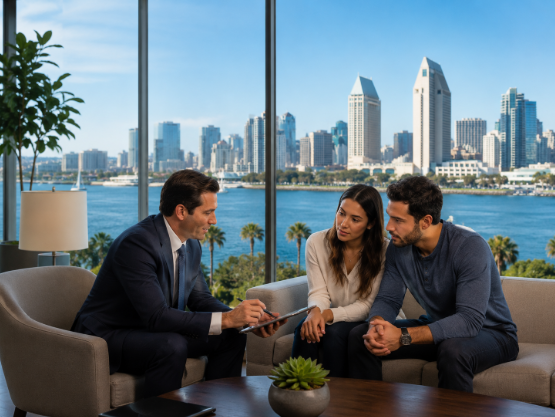
Our firm represents injured clients throughout the greater San Diego region, including Chula Vista, El Cajon, Escondido, National City, Oceanside, and La Mesa. No matter where in the county your accident occurred, our attorneys are ready to act.
Culver Legal, LLP
5670 Wilshire Blvd., Suite 1370
Los Angeles, CA 90036
(310) 600-7881
If you were injured in San Diego, the single most important step you can take today is to call for your free case evaluation. Evidence disappears. Insurance deadlines are real. Call Culver Legal now at Get Your Free Case Evaluation and put an aggressive legal team to work for you.
This content has been reviewed by the attorneys at Culver Legal, LLP, licensed to practice law in the State of California.
Attorney Advertising. Results may vary depending on the facts and circumstances of your case. Prior results do not guarantee a similar outcome.
Learn more about your options for compensation by calling 310-600-7881 .
Trusted by Thousands. Millions Recovered For Our Clients
YOU Deserve the Best
Free Case Review 24/7 You Don’t Pay unless we win
CALL 310-600-7881
"*" indicates required fields
Featured Lawyers
-
David Merabi
-
Thanos Simoudis
-

Victoria Manesh
-

Michael B. Huynh
-

Michael Domingo
-
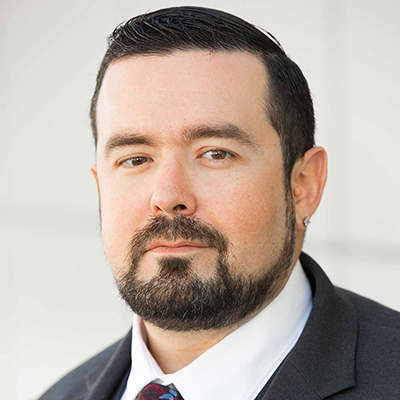
Darío C. Gómez
